Key Takeaways
- Most Gulf stock markets closed lower on Wednesday.
- The conflict escalated after Houthi forces launched strikes across Saudi cities.
- Brent crude futures rose to multi-week highs, up $2.77 at $100.69 a barrel.
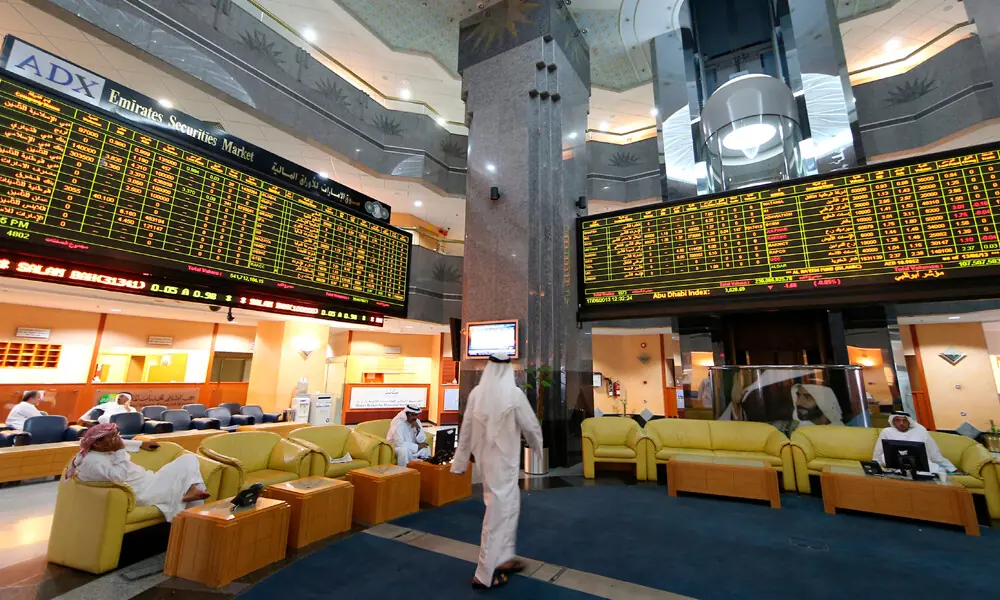
Most Gulf stock markets closed lower on Wednesday, reflecting investor caution amid escalating Middle East conflict and rising energy security risks.
The conflict intensified after Houthi forces launched strikes across several Saudi cities, setting key oil installations ablaze, and drawing a crucial U.S. ally deeper into hostilities.
The confrontation worsened after U.S. forces struck multiple Iranian oil tankers, triggering retaliatory attacks on commercial vessels and a U.S. military base in Jordan.
The multi-front escalation poses a severe threat to regional energy output and critical trade arteries, directly jeopardizing crude transit through the Red Sea.
Saudi Arabia’s benchmark index fell 0.2%, hit by a 1.7% drop in the country’s biggest lender by assets, Saudi National Bank.
Dubai’s main share index was down 0.3%, dragged down by a 1.8% slide in top lender Emirates NBD.
Fresh geopolitical flare-ups continue to fuel regional caution, as persistent tanker attacks in the Strait of Hormuz, maritime bottlenecks, and tit-for-tat strikes keep energy supply risks elevated.
Brent crude futures were up $2.77, or 2.83%, at $100.69 a barrel by 10:33 GMT, with banks including Goldman Sachs and Bank of America raising their oil price forecasts.
The multi-national conflict has affected stock markets across the region, with Abu Dhabi gaining 0.9%, Qatar easing 0.1%, and Egypt’s blue-chip index rising 0.6%.
Despite the downturn, resilient domestic fundamentals are expected to provide a crucial buffer, limiting broader downside risks, according to Joseph Dahrieh, managing director at Tickmill.
Attention remains focused on the Oman-Iran waterway management agreement and its implications for maritime security.
Joseph Dahrieh, Managing director at Tickmill