Key Takeaways
- Police in Guinea-Bissau raided the offices of Danish researchers planning a vaccine trial for newborns.
- The trial was halted due to ethical concerns and potential risks to thousands of babies.
- Kennedy Jr., an anti-vaccine advocate, attempted to fund the trial with US taxpayer dollars.
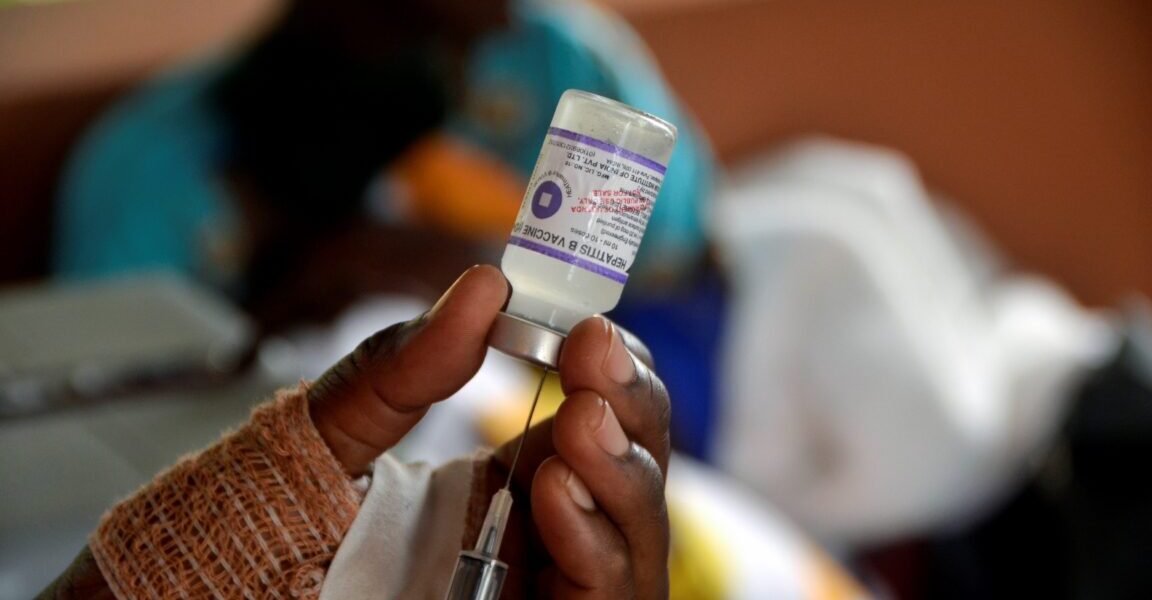
Police in Guinea-Bissau conducted a raid on Monday, seizing doses of hepatitis B vaccine intended for a controversial vaccine trial on newborns. The raid targeted the offices of Danish researchers, led by Peter Aaby and Christine Stabell Benn of Bandim Health Project.
International health experts have condemned the trial as unethical, citing potential risks to thousands of newborns. The trial was designed to expose babies to hepatitis B, a virus that can lead to lifelong infections, liver cirrhosis, cancer, and premature death.
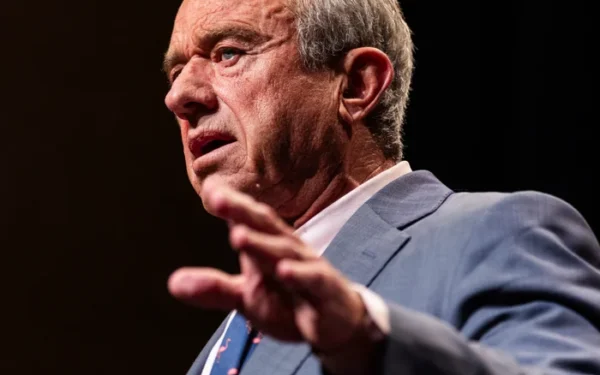
The researchers, who have a history of claiming vaccines cause overlooked harms, were previously praised by anti-vaccine Health Secretary Robert F. Kennedy Jr. However, they are currently under investigation for alleged scientific misconduct by Danish authorities.
Under Kennedy Jr., the US Centers for Disease Control and Prevention (CDC) awarded the Danish researchers an unsolicited $1.6 million grant to run the trial. Plans for the trial were halted in January amid widespread condemnation over its design.
A Rolling Stone article earlier this month revealed that the CDC had set aside another $1.6 million in funding in late September, planning to move forward with the trial. This revelation sparked outrage and further halted the trial.
The raid comes as the trial faces intense scrutiny and opposition. Health experts argue that the potential risks to newborns outweigh any potential benefits, and the trial's design raises ethical concerns.
The Danish researchers have faced criticism for their past claims, which have been disputed by the scientific community. Their ongoing investigation adds to the controversy surrounding the trial.
The raid and subsequent halt of the trial highlight the ongoing debate around vaccine safety and the ethical considerations in conducting such research, especially in vulnerable populations.