Key Takeaways
- Coal-fired power plants in Pakistan were receiving wildly different discounts from the same international suppliers.
- The government has mandated that plants must choose the supplier offering the best available discount.
- This measure could save around Rs380 million annually without requiring additional investment.
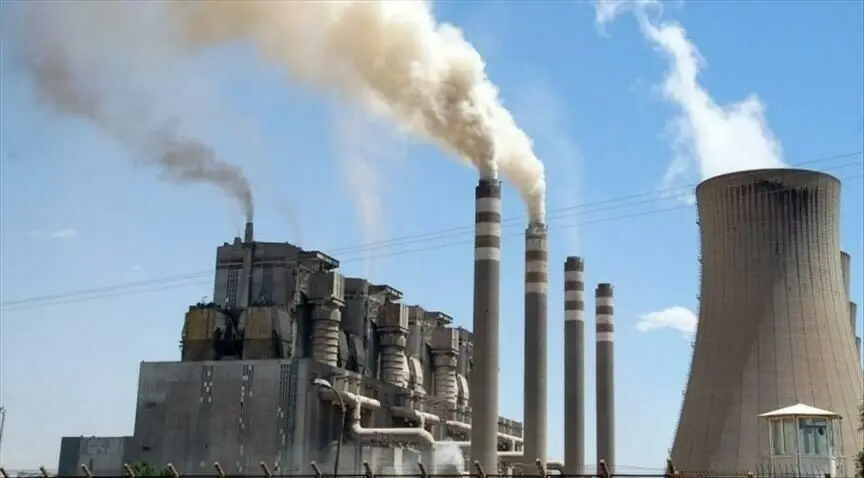
A recent review by the Power Division has revealed significant discrepancies in the discounts received by coal-fired power plants from the same international suppliers. These plants were purchasing coal at vastly different rates, ranging from just $0.25 to $7.12 per metric ton, despite using the same recognized benchmarks.
In response, the government has introduced a straightforward rule: power plants must procure coal from the contracted supplier offering the best available discount. This measure is expected to save approximately Rs380 million annually without necessitating any additional investment.
The discrepancy in discounts was not due to technological barriers or the need for new institutions. Procurement data, contractual arrangements, and benchmark-linked pricing were already available, and the inefficiencies became apparent once officials compared them.
In some cases, backup arrangements carried better discounts than primary supply agreements, while in others, plants continued to buy from suppliers offering poorer terms, even though contracted alternatives were available. These decisions ultimately affect electricity tariffs, which are passed on to consumers.
The new policy introduces a basic element of commercial discipline into the system, ensuring that power plants are purchasing on the most favorable terms. This is particularly important in the power sector, where fuel costs are incorporated into electricity pricing, and subsidies can leave the government carrying part of the burden when sector costs rise.
The simplicity of the solution highlights the deeper problem of administrative failure. Small inefficiencies can become entrenched because nobody is required to challenge established practice. By the time someone finally asks a basic commercial question, consumers may have been paying the price for years.
The Rs380 million in projected annual savings may appear modest against the enormous financial problems of the power sector, but it underscores the potential for similar leakages to exist elsewhere. The Power Division is therefore right to extend this data-driven approach across the sector, scrutinizing procurement of fuel, maintenance contracts, transmission costs, administrative expenditure, and other pass-through items.
This rule is a sensible intervention, but it also raises the uncomfortable question of why such obvious inefficiencies were allowed to continue for so long. The state machinery has once again discovered an avoidable cost only after allowing it to persist. The question remains: how many similar leakages remain buried elsewhere?