Key Takeaways
- London’s FTSE 100 index closed down 1.1% after three consecutive gains.
- Barclays fell 3.5% amid Bank of England probe concerns.
- Miners Anglo American and Glencore saw significant drops due to copper price dip.
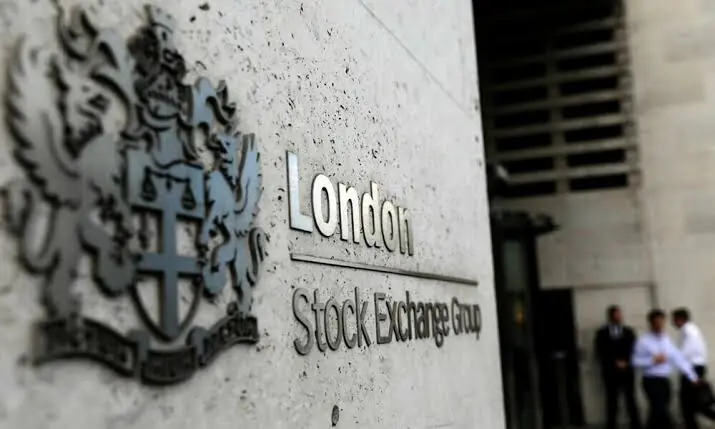
London’s FTSE 100 index closed lower on Monday, ending a three-day winning streak. The blue-chip FTSE 100 index fell 1.1% to 10,764.69 points, while the midcap FTSE 250 slipped 0.6%, snapping a six-day winning streak.
Barclays, one of the largest banks in the UK, saw a significant drop of 3.5% after The Financial Times reported that the Bank of England was examining whether the lender’s traders misrepresented illiquid private credit loans to understate their risk. This probe added pressure to the banking sector.
Mining stocks, including Anglo American and Glencore, also faced a downturn, with falls of 4.1% and 3.3%, respectively. Copper prices, which are crucial for mining companies, dipped, contributing to the sector’s decline.
Unilever agreed to sell its Welly bandage brand to private-equity firm Forward Consumer Partners, according to a report by The Wall Street Journal. This transaction, though not directly impacting the FTSE 100, highlights the ongoing consolidation in the consumer goods sector.
Investors will be closely watching UK September inflation and retail sales figures, which are expected to be released this week. Additionally, the earnings season is set to begin, with the first budget speech by Finance Minister John Healey due next week. Media reports suggest that income tax on family business transfers and windfall taxes on banks are expected to be part of the budget.
In the broader London market, decliners outnumbered advancers by a 2-to-1 margin. Luxury handbag maker Mulberry gained 2.6% after reporting an 18% increase in first-half sales. Volex bottomed the FTSE 250 after its half-year trading update, while Pets at Home rose about 6.7% after Peel Hunt’s rating upgrade.
The market’s performance was influenced by political uncertainty in France, which dampened risk appetite across Europe. The FTSE 100’s decline reflects the ongoing challenges faced by the banking and mining sectors, as well as broader market concerns.