
Key Takeaways
- French high school students continue to protest despite government pledges.
- Protests have spread to Belgium, particularly in Brussels and Liège.
- Authorities in Liège have imposed a ban on public gatherings of more than three people until 16 October.
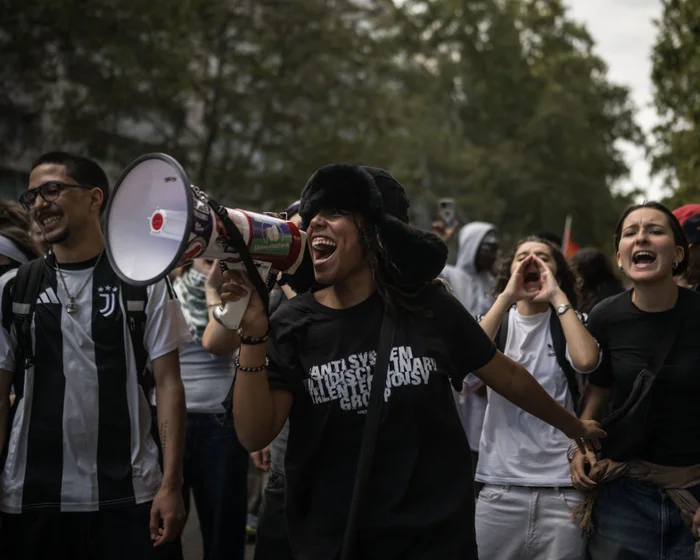
High school students in France have continued their protests, rejecting a promise by Minister Sébastien Lecornu to present a plan to address the education system by the end of the month. Demonstrations have also spread to neighboring Belgium, particularly in Brussels and Liège, where local media have reported more than 200 arrests in connection with student protests this month.
The French government's attempts to ease the crisis have not deterred the students, who are demanding significant reforms to the education system. The protests have been ongoing for days, with no signs of abating, despite the government's efforts to address their concerns.
In Liège, authorities have taken a firm stance, imposing a ban on public gatherings of more than three people until 16 October. This move reflects the growing tension and the government's determination to maintain order amid the escalating protests.
The protests are part of a broader issue affecting France, as Douglas Herbert from France 24 suggests. The cost of living crisis and apprehensions around upcoming presidential elections are contributing factors to the current unrest. Students are not alone in their dissatisfaction, as the wider French population is grappling with economic and political challenges.
The government's promise to present a plan by the end of the month has been met with skepticism by the protesters. They are calling for more concrete actions and immediate reforms, rather than just promises.
The situation in Liège highlights the severity of the protests. Local media reports indicate that the authorities are taking a strict approach to maintain public order, with a ban on public gatherings. This move underscores the government's commitment to addressing the situation, albeit in a firm manner.
The persistence of the protests and the government's response suggest that the underlying issues are complex and multifaceted. While the government is working to address the education system, the broader context of economic and political challenges is also playing a significant role in the current unrest.
As the protests continue, the government faces a delicate balancing act between addressing the students' concerns and maintaining public order. The outcome of this situation will likely have significant implications for the upcoming presidential elections and the overall stability of the country.


