Key Takeaways
- Finance Minister Muhammad Aurangzeb highlights export-led sustainable growth and private sector facilitation.
- IT exports expected to reach $5.5 billion, with remittances at $44 billion.
- Foreign exchange reserves sufficient to cover more than three months of imports.
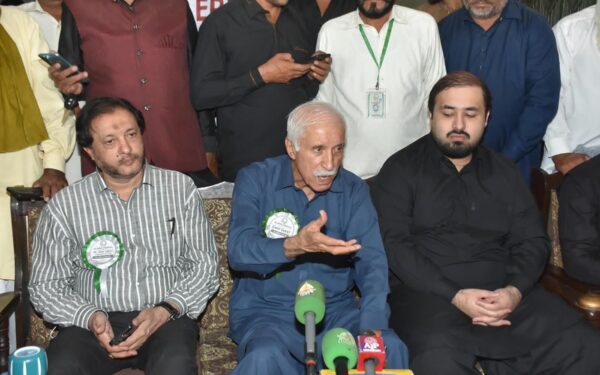
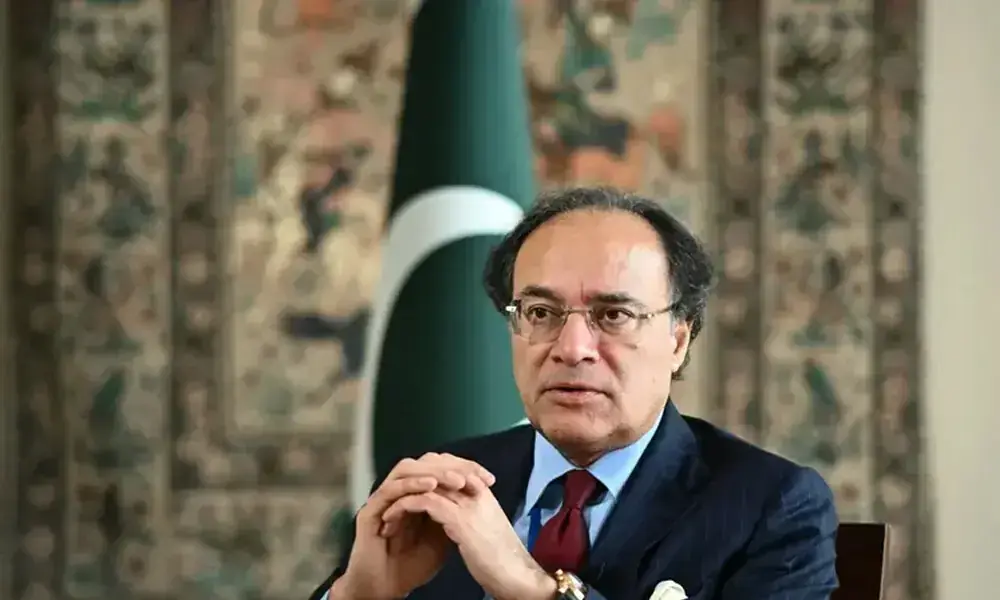
Federal Minister for Finance and Revenue Muhammad Aurangzeb has emphasized the government's focus on export-led sustainable growth and private sector facilitation during a ceremony at a private university in Lahore.
Aurangzeb stated that structural reforms are underway to stabilize Pakistan’s economy, with a particular emphasis on reducing energy costs and improving the tax system.
The minister highlighted that IT exports are expected to reach $5.5 billion, while remittances are projected to be $44 billion during the current fiscal year.
He also noted that Pakistan’s foreign exchange reserves are at a historic high, sufficient to cover more than three months of imports, compared to a time when reserves had fallen to the equivalent of just two weeks of imports.
Aurangzeb said that Pakistan needs to move away from its historical boom-and-bust economic cycle towards a growth trajectory that can generate employment opportunities and ensure that the benefits of economic progress reach the people.
The finance minister mentioned that Pakistan’s credit rating has improved three times since April last year, and steps have been taken to improve access to international financial markets.
He highlighted that Pakistan undertook a private placement in April this year and advanced its efforts to access global markets through the issuance of Panda bonds.
Aurangzeb stated that investor orders for Pakistan’s eurobonds were twice the amount offered, with investors from Asia, the Middle East, Europe, and the United States expressing interest.
The minister also said that global investors are now assessing Pakistan’s economic position beyond its International Monetary Fund (IMF) programme, with the current IMF programme scheduled to conclude in October next year.
To improve the tax system, the government is taking steps to broaden the tax base and promote exports, including the abolition of the super tax and reductions in tax slabs.
The budget also provides financing facilities for exporters at an interest rate of 4.5% to boost exports.
Aurangzeb emphasized the need to reduce tariffs and energy costs to enhance competitiveness in regional markets, with discussions held on supplying surplus electricity to industries at approximately Rs23 per unit.
He stated that Pakistan needs economic growth that can increase investment and production while creating new employment opportunities, ensuring that the benefits of growth reach the public and improve their living standards.
Steps had also been taken to improve access to international financial markets.
Muhammad Aurangzeb, Federal Minister for Finance and Revenue
Investor orders for Pakistan’s eurobonds were twice the amount offered, with investors from Asia, the Middle East, Europe and the United States also expressing interest.
Muhammad Aurangzeb, Federal Minister for Finance and Revenue