Key Takeaways
- Finance Minister Muhammad Aurangzeb highlighted the need for climate commitments to translate into tangible results.
- Three key requirements for effective climate implementation were identified: a sound policy framework, access to finance, and project delivery capacity.
- Pakistan seeks US EXIM support for Boeing 787 purchases and refinery upgrades.
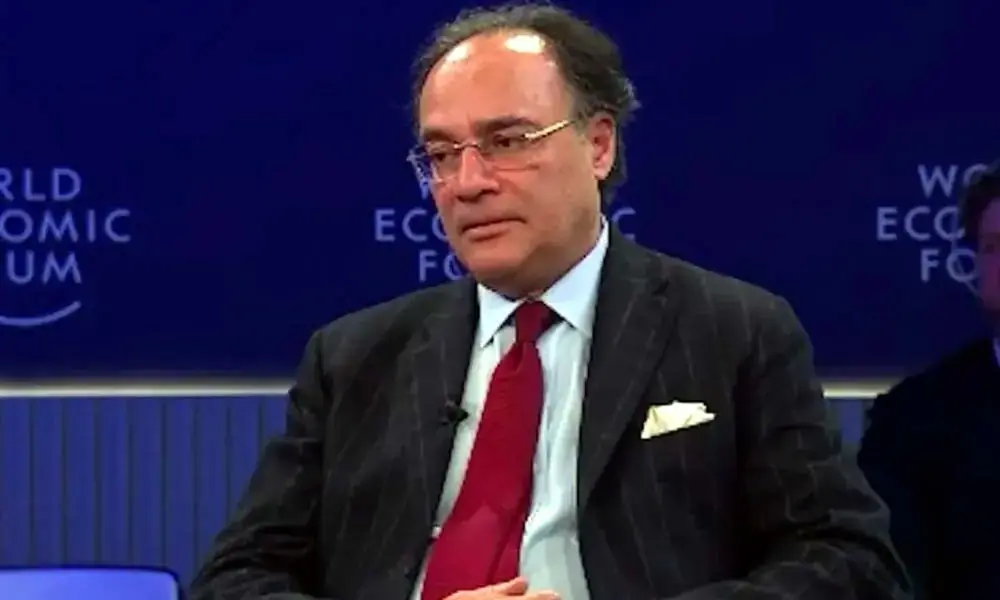
Finance Minister Muhammad Aurangzeb, speaking at the Climate Implementation Bridge (BRIDGE) event in New York, stressed the importance of translating climate commitments into tangible outcomes for communities.
Aurangzeb, part of Pakistan’s high-level delegation led by Prime Minister Shehbaz Sharif, highlighted three critical elements for effective climate implementation: a robust policy framework, access to finance, and the capacity to deliver projects at the country level.
The minister identified institutional fragmentation and a shortage of investable and bankable projects as ongoing challenges that hinder effective implementation.
Referring to the 2022 floods, Aurangzeb noted that despite generous international support pledges, some funds remained unutilized, underscoring the need for developing suitable projects and strengthening implementation capacity.
Welcoming Pakistan’s participation in BRIDGE, the finance minister urged partners to focus on practical “no-regret” decisions that can move the initiative from dialogue to action.
Aurangzeb’s engagements during the UNGA High-Level Week underscored Pakistan’s continued focus on strengthening climate resilience, mobilising resources for climate action, and building effective international partnerships.
In addition to climate commitments, Pakistan is seeking US EXIM support for Boeing 787 aircraft purchases and refinery upgrades, aiming to enhance its aviation and energy sectors.
The finance minister’s remarks reflect Pakistan’s commitment to addressing climate change while also focusing on economic development and infrastructure improvement.