Key Takeaways
- The Federal Board of Revenue (FBR) has expanded the electricity tax to include four more steel manufacturers.
- The tax, Rs. 5 per unit, applies to melters, re-rollers, and composite units that meet specific criteria.
- The tax is effective immediately and may be revised by the FBR from time to time.
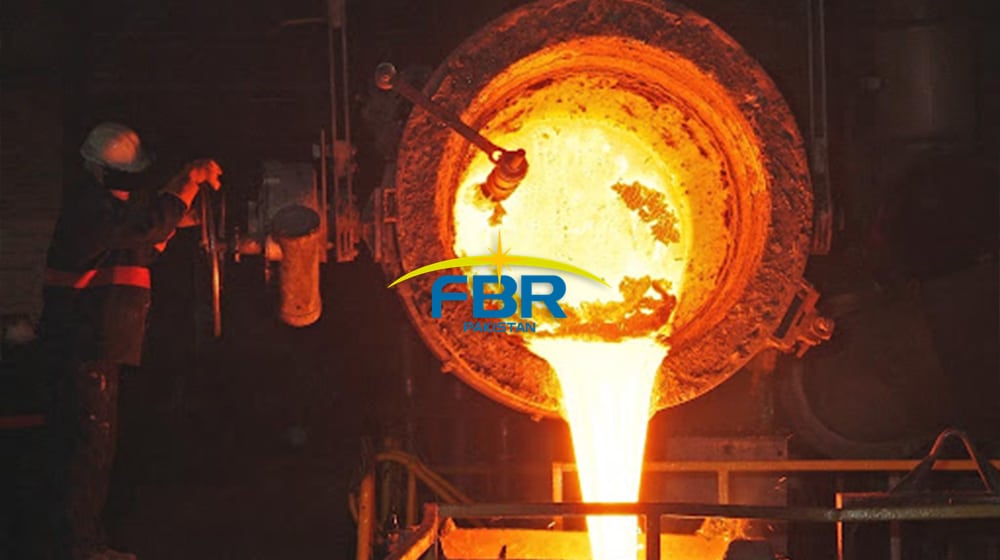
The Federal Board of Revenue (FBR) has issued a new directive, Sales Tax General Order (STGO) No. 22 of 2026, which amends STGO 16 of 2026. This directive expands the list of iron and steel manufacturers subject to an additional Rs. 5 per unit electricity tax. The tax applies to melters, re-rollers, and composite units that meet the prescribed criteria for scrap consumption, electricity use, and imports of scrap under specified HS codes.
According to the FBR, the four newly added manufacturers imported more than 70 percent of their total scrap purchases under the relevant HS codes directly during the previous 12 months. This includes purchases through the Export Facilitation Scheme and from importers. The operations of these manufacturers are also integrated with the FBR’s computerized system.
The Rs. 5-per-unit sales tax will apply to all electricity connections of the listed manufacturers with immediate effect. The FBR stated that the list may be revised from time to time, and registered manufacturers may be added or removed after examination by the Board or on the recommendation of the concerned Commissioner Inland Revenue.
The FBR’s decision is part of a broader strategy to ensure compliance with tax regulations and to address the significant import of scrap materials by these manufacturers. The move is expected to generate additional revenue for the government, which can be used to support various development initiatives.
The new directive affects a total of eight manufacturers, with four being added to the existing list. The FBR has emphasized the importance of transparency and compliance in the sector, stating that the criteria for inclusion are strictly adhered to.
Industry experts have noted that the additional tax burden could impact the profitability of these manufacturers. However, they also acknowledge the need for such measures to ensure fair competition and to support local industries. The FBR has assured that the tax will be applied uniformly across all listed manufacturers.
The FBR’s decision is seen as a step towards greater fiscal discipline and revenue generation. The board has stated that the list of manufacturers may be revised periodically to ensure that only those who meet the criteria are subject to the tax.
Industry representatives have expressed mixed reactions to the new directive. While some support the move, citing the need for greater transparency and compliance, others are concerned about the potential impact on their operations and profitability. The FBR has assured that the process of adding or removing manufacturers from the list will be transparent and fair.