Key Takeaways
- National Farmers’ Union warns of potential food shortages in Britain.
- Heatwave forecast to continue, posing challenges for crop cultivation.
- UK Health Security Agency issues heat health alerts due to rising temperatures.
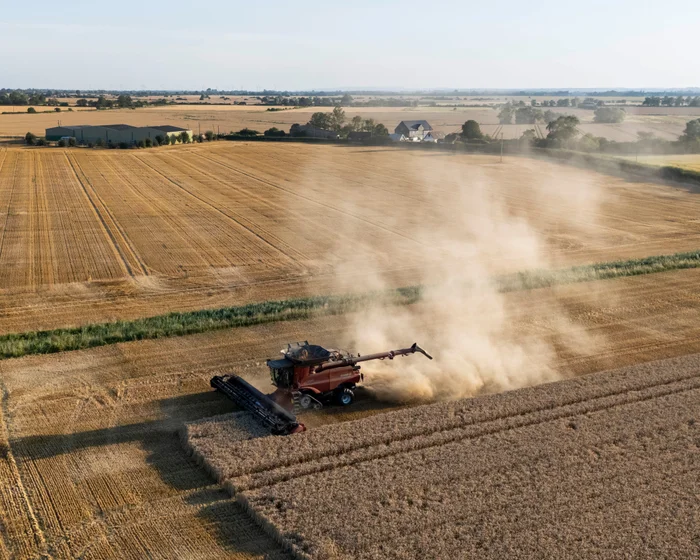
Farmers across parts of England are battling severe drought conditions as a prolonged heatwave continues to affect the region. The National Farmers’ Union (NFU) has issued warnings about potential food shortages, highlighting the critical situation facing agricultural communities.
The UK Health Security Agency (UKHSA) has activated heat health alerts for eight regions in England, with temperatures expected to soar above 30°C in some areas. These alerts are aimed at mitigating the risks associated with high temperatures, particularly for vulnerable groups such as the elderly and those with pre-existing medical conditions.
The ongoing drought is causing significant damage to crops, with farmers struggling to salvage what they can of their produce. The NFU has emphasized that without immediate relief, certain food items may become scarce in British markets.
According to the NFU, the current heatwave is exacerbating existing water shortages and making it difficult for farmers to irrigate their fields adequately. This situation could lead to reduced yields and increased costs for consumers as producers seek alternative sources of water or face higher expenses due to limited resources.
The UKHSA has advised people to take necessary precautions, including staying hydrated, avoiding strenuous activities during peak heat hours, and checking on vulnerable neighbors who may be at risk. Health officials are closely monitoring the situation to ensure that any adverse health impacts are minimized.
Farmers across England have expressed concerns about the long-term implications of this drought. Many are calling for urgent government intervention to provide support in the form of financial aid or alternative water sources to help them through this challenging period.
The NFU has also called on the government to invest more in sustainable agricultural practices and infrastructure that can better withstand future climate-related challenges. This includes improving irrigation systems, developing drought-resistant crops, and enhancing early warning systems for extreme weather events.