Key Takeaways
- The European Space Agency is proceeding with the Envision mission to Venus.
- NASA has withdrawn its commitment to provide a radar instrument for the mission.
- Envision will still map Venus at 10 times higher resolution than previous missions.
The European Space Agency (ESA) is moving forward with its Envision mission to Venus, despite NASA's withdrawal of a key radar instrument. The decision was announced by the mission's project scientist, who stated that the European orbiter will still map the planet's surface at 10 times higher resolution than previous missions.
Originally, NASA and ESA had signed a memorandum of understanding in 2024, outlining their partnership on the Envision mission. NASA was to provide a US-made synthetic aperture radar instrument, which would be Envision's primary means of mapping the Venusian surface. In exchange, ESA would include US researchers on the mission's science team.
However, NASA officials have now determined that they are unlikely to fulfill this commitment. This decision has forced ESA to take the lead in developing the radar instrument, ensuring the mission can still proceed as planned.
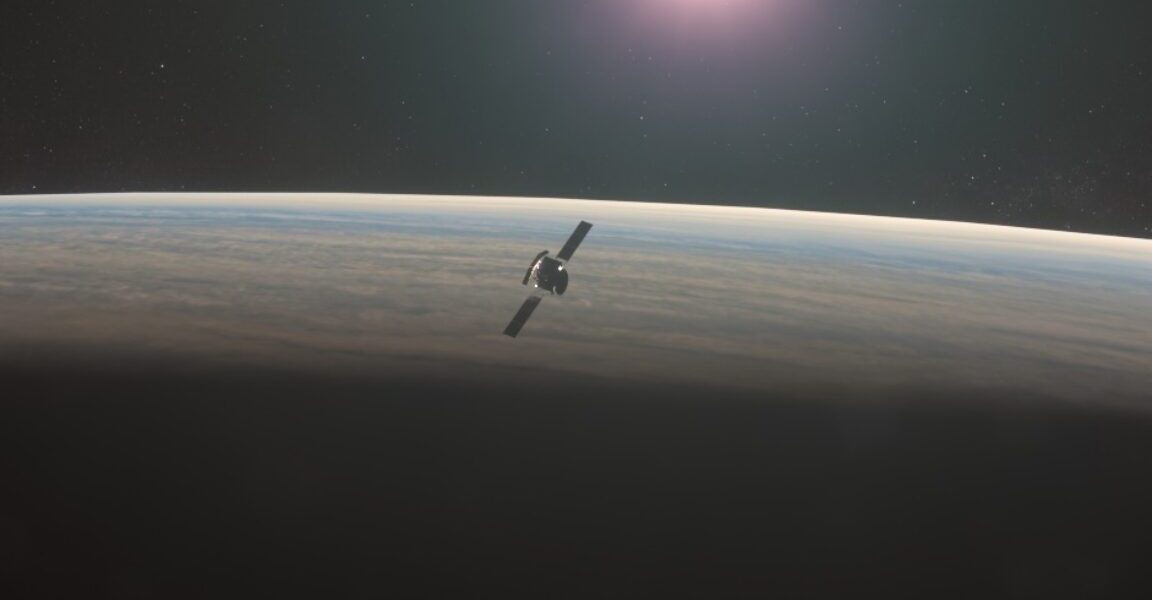
Envision is designed to map the Venusian surface with unprecedented detail, using radar to penetrate the planet's thick clouds of sulfuric acid. The mission aims to look for signs of active volcanism, providing valuable insights into the planet's geological history and current activity.
ESA will build the Envision spacecraft and the rest of its science instruments, as well as provide the launch on an Ariane 6 rocket. The mission's project scientist emphasized that the withdrawal of the NASA instrument will not impact the overall mission objectives.
The European orbiter will still map the Venusian surface at 10 times higher resolution than the last radar mission sent to Venus by NASA in the 1990s. This will provide scientists with a more detailed understanding of the planet's terrain and potential geological activity.
The Envision mission is crucial for advancing our understanding of Venus, a planet that remains one of the least explored in our solar system. The mission's success will depend on the effectiveness of the radar instrument developed by ESA, which will be critical for mapping the planet's surface.
Scientists are optimistic that the mission will still achieve its primary objectives, despite the change in partnership. The Envision mission is expected to provide valuable data that could revolutionize our understanding of Venus and its geological processes.