Key Takeaways
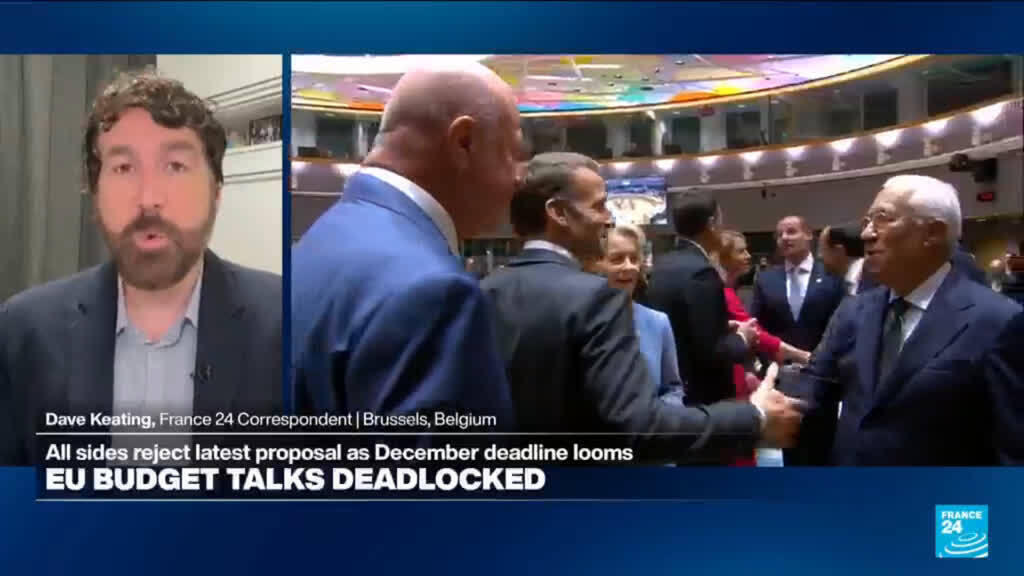
- European Union leaders met in Brussels to discuss the bloc’s next long-term budget.
- Strong opposition to a new budget proposal casts doubt on its approval by year-end.
- Ukraine support and measures to strengthen economic competitiveness also on the agenda.
European Union leaders convened in Brussels for a two-day summit, focusing on the bloc’s next long-term budget, continued support for Ukraine, and measures to bolster economic competitiveness amid rising energy prices and geopolitical uncertainty.
The summit, which began on Thursday, aims to address the complex challenges facing the EU, including the need to balance competing interests and priorities among member states.
However, the meeting has been marred by divisions, with leaders voicing strong opposition to a new proposal for the bloc’s long-term budget. This opposition raises serious doubts about whether the key spending package will be agreed upon by the end of the year.
The budget proposal, which was intended to provide a framework for the EU’s financial commitments over the next seven years, has faced significant resistance. The disagreement centers around the allocation of funds and the overall structure of the budget, with member states holding firm on their positions.
Despite the budget impasse, the summit agenda also included discussions on continued support for Ukraine. The bloc is committed to providing financial and political backing to Ukraine, recognizing its strategic importance and the ongoing conflict in the region.
Additionally, the leaders discussed measures to strengthen the EU’s economic competitiveness, particularly in light of rising energy prices and geopolitical tensions. These measures are aimed at ensuring the bloc remains resilient and capable of addressing future challenges.
The summit is expected to conclude on Friday, with the outcome of the budget negotiations remaining uncertain. The lack of agreement could have significant implications for the EU’s future financial and strategic direction.
The opposition to the budget proposal has highlighted the complex and often contentious nature of EU decision-making, where member states must navigate their individual interests while striving for collective solutions.