Key Takeaways
- Gas and power shortages affect daily lives in Dhaka and Karachi.
- Pakistan introduces fuel subsidy but faces registration challenges.
- LNG prices spike due to conflicts in the Middle East, impacting industrial growth.
In Dhaka, Bangladesh, residents like Parvin Akter are struggling with intermittent gas supply, cooking late into the night to avoid power outages.
Similarly, in Pakistan, the government has introduced a fuel subsidy to ease rising fuel prices, but the registration process for vehicle owners is proving difficult.
Mohammad Musharraf, a Karachi resident, has spent days trying to register his motorcycle for the subsidy, highlighting the bureaucratic hurdles.
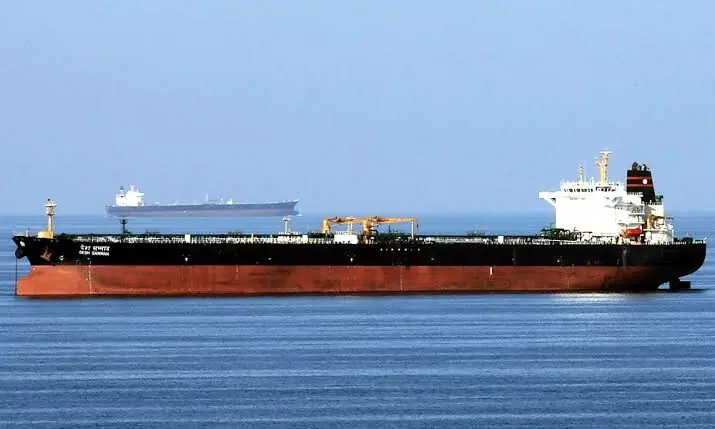
The disruption of oil and gas exports through the Strait of Hormuz, following attacks by the US and Israel on Iran, has exacerbated the situation.
Fighting between Saudi Arabia and the Houthis further threatens trade through the Red Sea, compounding the energy crisis.
Asian spot liquified natural gas (LNG) prices have risen to $30 per million British thermal units, the second such spike this year, from about $10 before the conflict.
Shell estimates that the world has lost roughly 36 million tons of LNG from the Middle East so far this year, hitting countries with limited financial resources.
In Bangladesh, the shortfall in LNG imports has led to blackouts and factory shutdowns, slowing industrial growth.
Power Minister Iqbal Hasan Mahmud reported that industrial growth is slowing, with 55% of knitwear factories seeing order cancellations or reductions since late August.
The strain on the garment industry is evident, with some factories forced to source materials from China or incur additional costs to meet deadlines.
First of all, you have to register your vehicle. Then you have to register your mobile phone. How can an illiterate person survive if the conditions are so difficult?
Mohammad Musharraf, Resident of Karachi