Key Takeaways
- DNA barcoding has transformed insect identification in Pakistan.
- A survey generated 50,592 barcode records from 1,858 sites.
- Only 21% of BINs could be matched to known species.
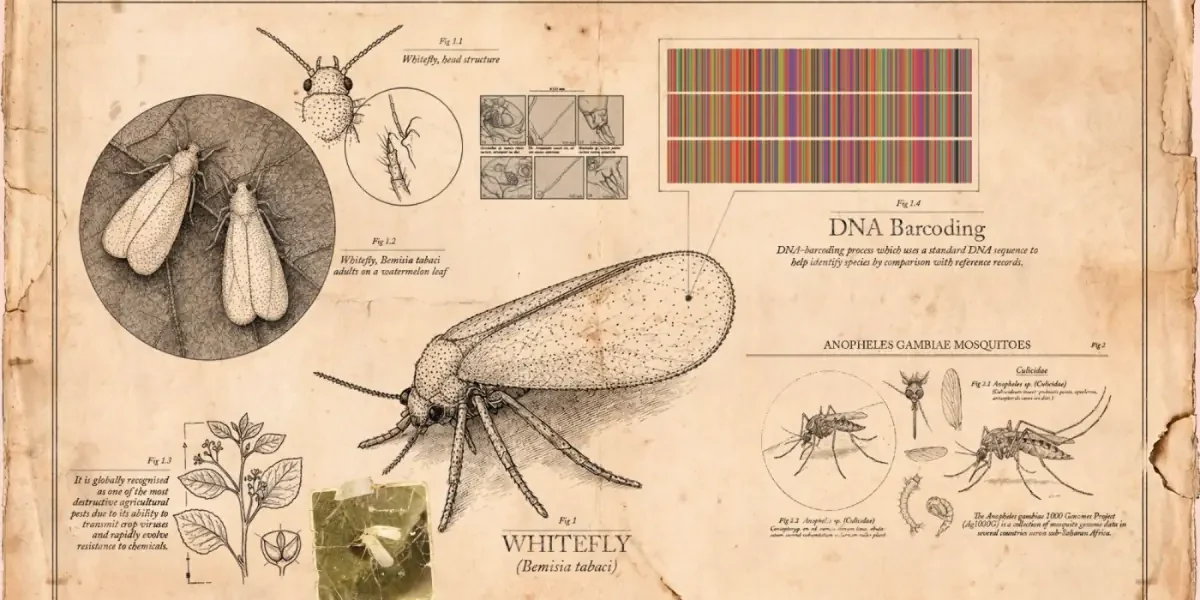
In Pakistan, the traditional method of insect identification through physical characteristics is being supplemented by DNA barcoding. This innovative technique uses genetic material to identify species, providing a more accurate and comprehensive understanding of insect biodiversity.
A recent DNA-barcode survey of insect biodiversity in Pakistan examined material from 1,858 sites between 2010 and 2019, generating 50,592 barcode records. Of these, 49,363 were assigned to 6,590 Barcode Index Numbers (BINs), serving as practical working proxy names for species.

The survey highlighted the vast unknowns in Pakistani insect biodiversity. Only 21% of the BINs could be matched to species already named in global databases, indicating a significant gap in our knowledge.
This research underscores the importance of DNA barcoding in taxonomy. By clustering similar specimens into BINs, researchers can identify and classify species even when formal scientific names are unknown.
The study produced Pakistan’s first comprehensive DNA barcode profile of its insects and the first survey of its kind in South Asia, marking a significant milestone in the country’s scientific research.
While the findings are promising, they also reveal the need for further exploration. Much of Pakistan, along with neighboring countries, has not been sampled evenly, leaving large gaps in our understanding of insect biodiversity.
The use of DNA barcoding can help make these gaps visible, guiding researchers to collect more specimens and carry out the necessary taxonomy work. This collaborative approach across borders may eventually fill in the unknowns.
The success of this project demonstrates the potential of DNA barcoding in advancing insect research and understanding the complex ecosystems of Pakistan.