Key Takeaways
- Activists demand the early retirement of the ADB-funded Jamshoro Coal Power Plant.
- They urge redirection of financing towards renewable energy projects.
- Concerns raised include social, environmental and financial impacts on local communities.
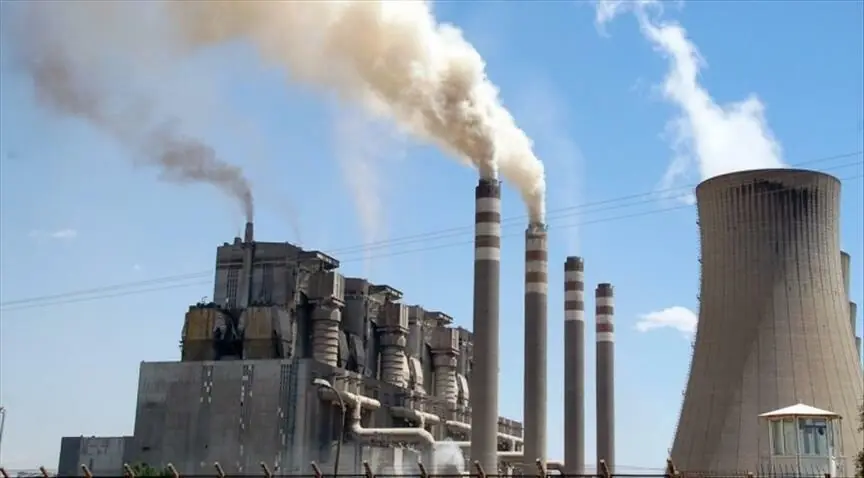
Civil society activists in Pakistan have called for the early retirement of the ADB-funded Jamshoro Coal Power Plant, citing significant social, environmental, and financial impacts on surrounding communities.
Protesters, including members of the Indus Climate Forum, demonstrated on Friday against the coal-fired plant, emphasizing the need to convert the ADB’s outstanding loan into financing for repurposing the facility as a renewable-energy project.
The activists highlighted the adverse effects of the plant on the livelihoods of nearby farming and fishing communities, noting that air pollution, land degradation, and water contamination have reduced agricultural productivity, diminished grazing land, and contributed to declining fish populations.
They also criticized the ADB’s application of social and environmental safeguards, arguing that the bank had not adequately assessed the cumulative impacts of the project, particularly regarding fly-ash disposal and water resource management.
Fly-ash disposal through water-based slurry and storage in an ash pond were described as potentially unsafe practices, and the activists expressed concerns over the plant’s coal supply arrangements, which involve 80 percent imported sub-bituminous coal and 20 percent Thar lignite.
The activists further raised concerns over the government’s planned Thar coal railway connectivity project, which could exacerbate social and environmental impacts by potentially displacing communities and affecting local livelihoods and cultural traditions.
The protesters urged the ADB and the Government of Pakistan to prioritize the early and just retirement of the Jamshoro coal plant and redirect financial resources towards renewable energy, ensuring the protection of affected communities and their livelihoods during the transition away from coal.
The activists emphasized the need for comprehensive environmental risk assessments and the consideration of renewable-energy alternatives, particularly solar power, before any further development of the project.