Ontario Premier Doug Ford described the Democratic sweep in the US midterm elections as "a victory for Canada" on Wednesday morning. He suggested the results represented a repudiation by American voters of Donald Trump's tariffs on close trade allies.
While the results are unlikely to grant Canada relief from tariffs immediately, there is anticipation that the political shifts could create a more favorable environment for Ottawa to secure a better deal as trade talks resume. US voters cited affordability as a primary concern; a September survey by the Cato Institute suggested about 75% of voters believe the tariffs have raised prices.
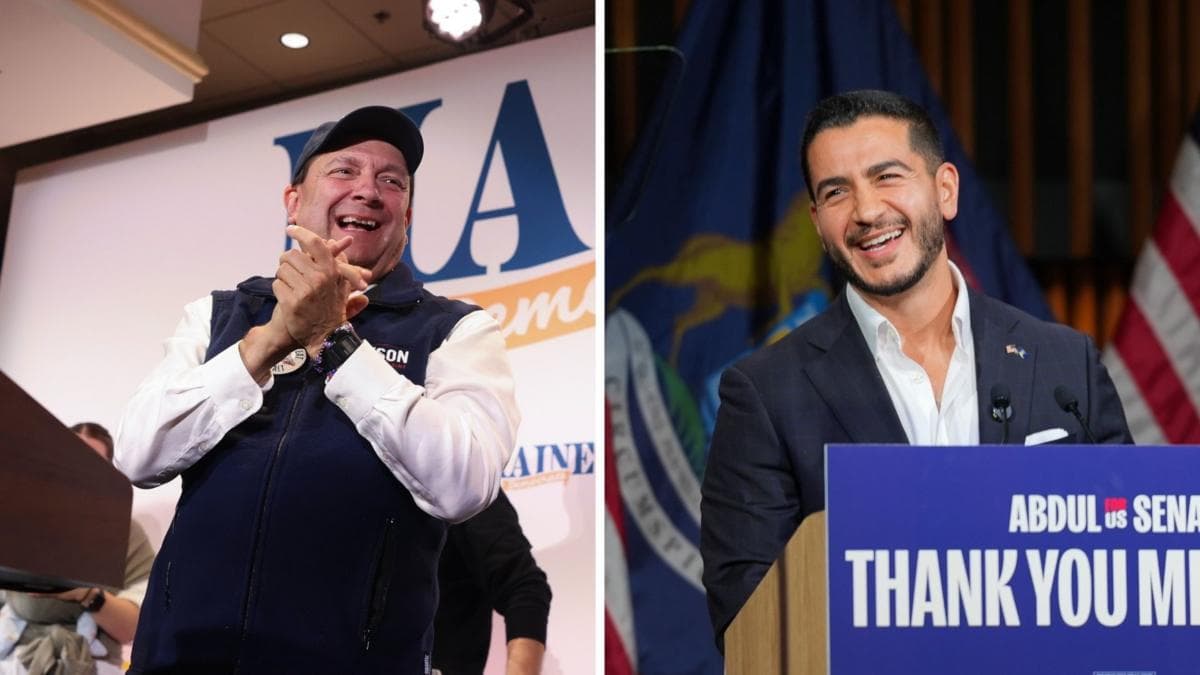
Tariffs played a significant role in several hard-fought races. In Maine, incumbent Republican Senator Susan Collins clashed with the White House over duties on road salt, refrigeration equipment, and seaweed. Despite lobbying to have those specific duties removed, she lost to Democrat Troy Jackson. In Michigan, where the auto industry is deeply intertwined with Canada, Democratic candidate Abdul El-Sayed defeated Republican Mike Rogers. An analysis by the National Taxpayers Union Foundation stated that Trump's 25% tariffs on non-US made cars and trucks have led to layoffs in Ontario and contributed to thousands of dollars in additional household costs for Michiganders. Rogers had declared in a TV ad last month that "Canada is not our enemy," while El-Sayed called the tariffs "dumb" and blamed them for rising costs. In Ohio, Senator-elect Sherrod Brown, who defeated Republican Jon Husted, called the levies a "disaster" and vowed to slash costs by removing them.
Democratic leaders Hakeem Jeffries and Chuck Schumer have pushed to rein in tariffs on Canada in recent months. However, Democratic control of Congress might not move the needle significantly, as Trump's levies have been largely enacted via executive orders. On Tuesday night, Trump touted his "ultimate power" of veto to shut down bills he dislikes. Additionally, some Democratic lawmakers have supported certain tariffs in the past to protect American manufacturing jobs and could back keeping some in place.
Currently, several layers of tariffs exist on Canadian autos, steel, aluminium, and forestry. Following the collapse of trade talks in August, the Trump administration imposed an additional 50% tariff on $20bn (£15bn) worth of Canadian goods, including dairy, cosmetics, and furniture, and declared a total import ban on motorcycles, whey protein, and alcohol. Canada retaliated with 50% "dollar-for-dollar" tariffs, and most provinces have banned the sale of US alcohol. Trump had also threatened to escalate the trade war by raising tariffs on sectors including auto manufacturing as of 1 January.