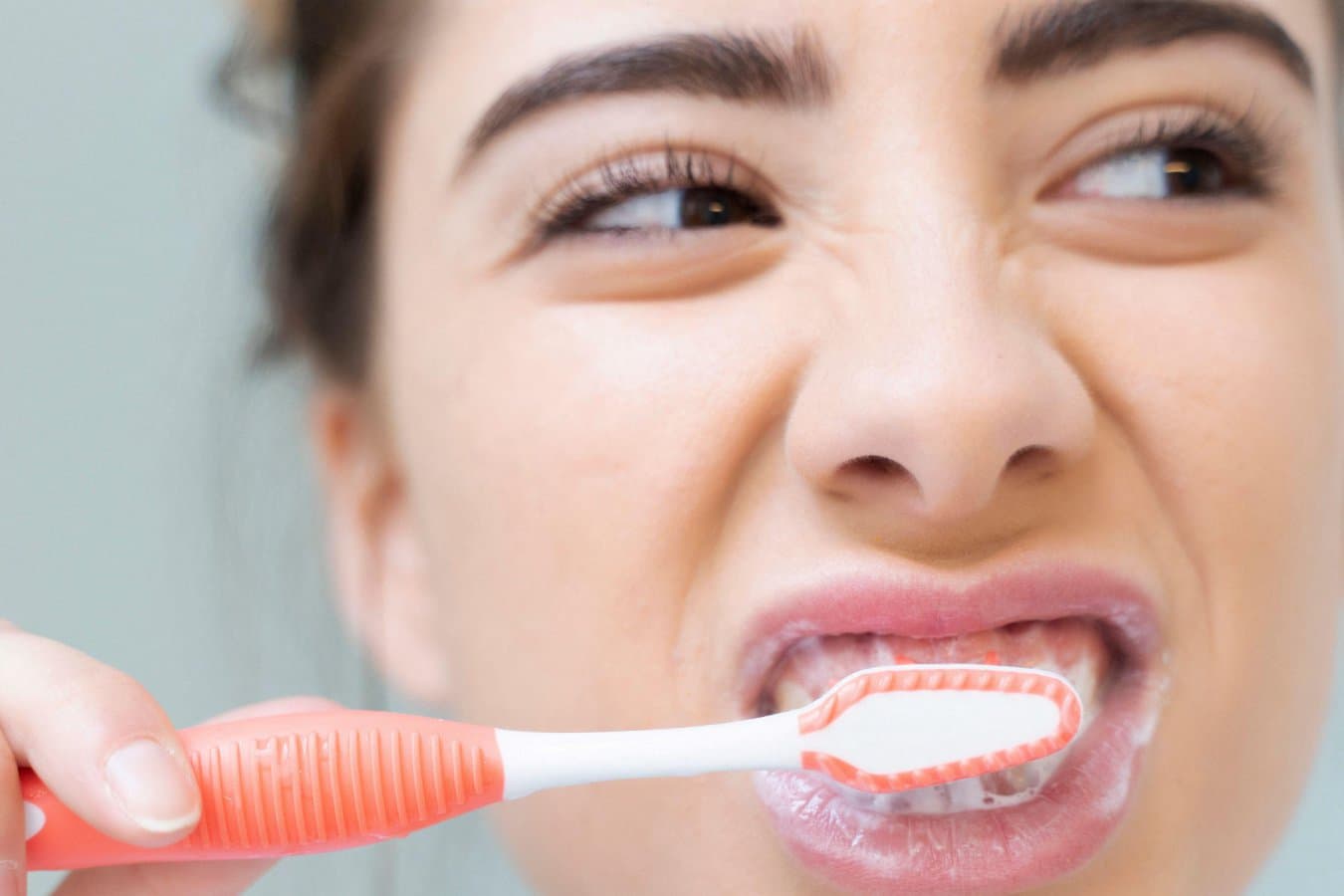
A new type of toothbrush that generates electricity may be more effective at fighting harmful bacteria while removing plaque than current products. The device utilizes special bristles that produce electricity as they bend, which triggers the formation of molecules that damage bacterial membranes.
In laboratory tests, the toothbrush led to more than twice the reduction of plaque, gum inflammation, and bleeding compared to conventional toothbrushes. Nicholas Jakubovics at Newcastle University, UK, who was not involved in the research, stated, “The concept is great. Basically, the mechanical forces recharge the surface, so it’s really innovative. Anything that even slightly improves the way dental care works could have a benefit, because oral disease is just so widespread.”
Oral diseases, including tooth decay, affect nearly half of the global population. While regular brushing removes plaque—a sticky layer of bacteria that produces acids causing cavities and gum irritation—thorough brushing can still leave bacteria deep in plaque or between teeth, where colonies can regrow within hours. Previous innovations included brushes with antibacterial metal nanoparticles like silver and zinc, though their long-term effectiveness is uncertain, and ionic toothbrushes that rely on batteries.
Yanhui Lu at Peking University in China and her colleagues developed the new bristles by studying piezoelectric materials, which generate electric charges under pressure and have been shown to fight bacteria in medical implants and infected wounds. The team created bristles made from piezoelectric plastic designed to generate electricity as they bend during use. This process triggers chemical reactions producing reactive-oxygen species to damage bacteria while the bristles physically remove plaque.
The researchers produced two sets of bristles with different thicknesses, both meeting Chinese national standards for strength and softness. Laboratory tests confirmed that the bristles generated electricity under pressure, with the thicker bristles being particularly effective. The team detected reactive-oxygen species on the brushes and confirmed that the bristles remained soft and retained their electrical properties after three months of use.
During laboratory experiments involving simulated brushing movements, the thicker piezoelectric bristles killed about 53 per cent of Streptococcus mutans (which causes cavities) and 78 per cent of Porphyromonas gingivalis (which contributes to gum disease). In contrast, standard nylon bristles killed only 9 per cent and 8 per cent of those bacteria, respectively. Additionally, when brushing plaque grown from human mouths on cow enamel for 3 minutes, the new toothbrushes removed more than 99 per cent of the plaque, while conventional nylon brushes removed about 80 per cent.
The team conducted a study with 109 adults with dental plaque and gum inflammation, randomly assigning them to use either a piezoelectric or nylon toothbrush twice daily for three months. Dental examinations showed that those using the piezoelectric brushes had reductions of roughly 40 per cent in plaque build-up, gum inflammation, and bleeding, compared to around 15 per cent for those using conventional brushes. Genetic sequencing of the plaque from the piezoelectric group also showed a decline in the relative abundance of harmful bacteria and an increase in some potentially beneficial bacteria.
Jakubovics noted that larger studies are now required to establish whether the toothbrush actually prevents issues such as tooth loss and cavities.