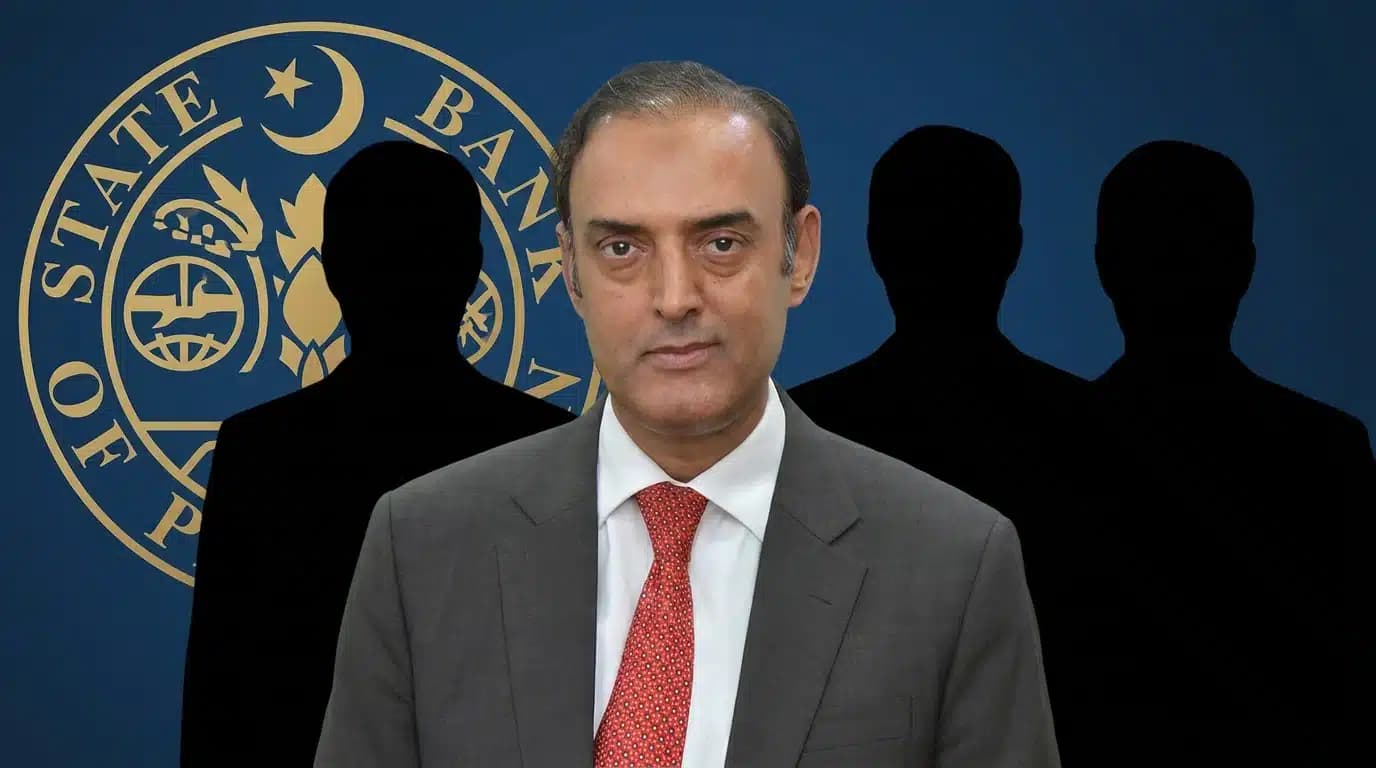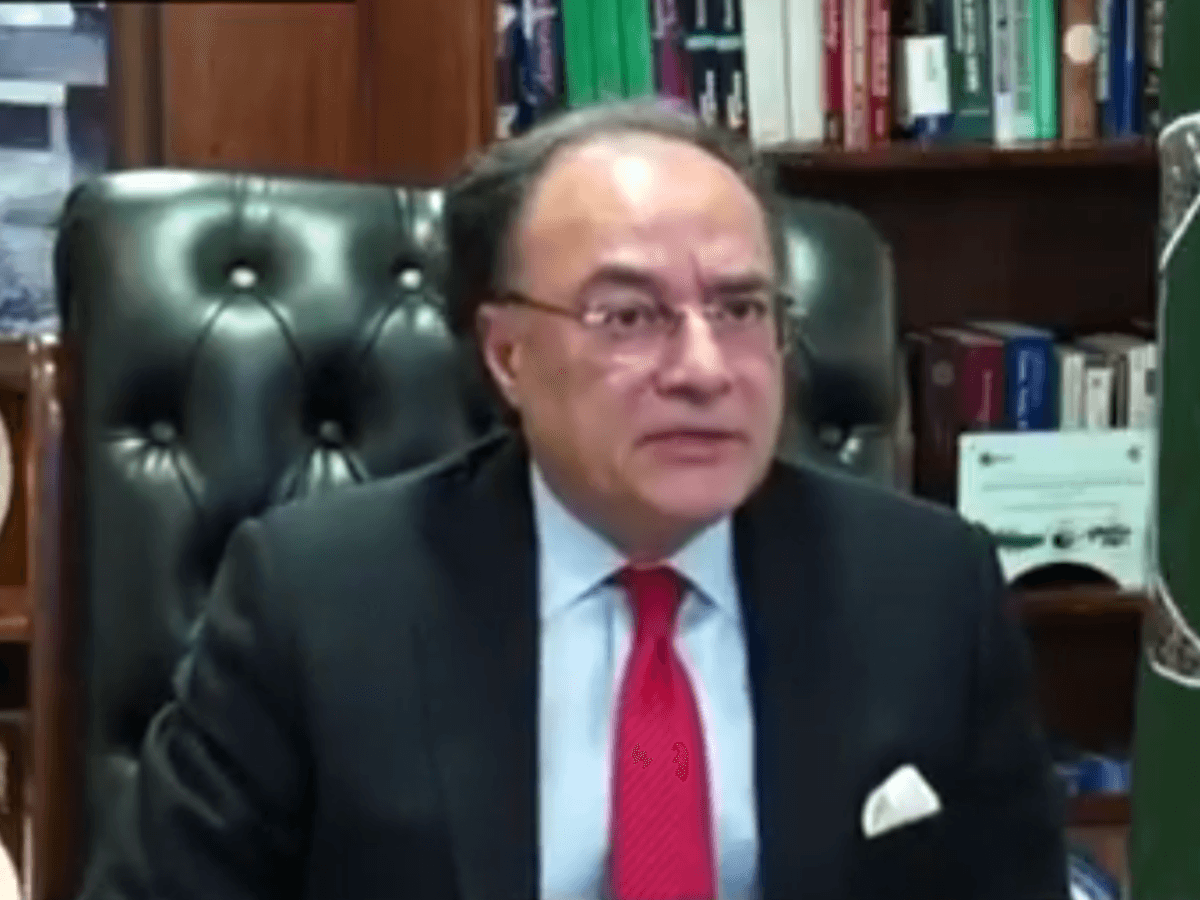
Finance Minister Muhammad Aurangzeb announced on Wednesday that Saudi Arabia has extended the repayment of a $3 billion debt for a "reasonable period." The loan, which matured in October, was rolled over despite the fact that the government had requested a $10 billion liquidity support facility from the US in July.
Speaking to the media after attending a Senate Standing Committee on Finance meeting, Aurangzeb told reporters that the country's external position remains comfortable even without the $10 billion US facility. He stated, "If ($10 billion) liquidity support facility comes, fantastic, If it doesn't come, we will, Insha'Allah, continue to work."
Regarding the specific terms of the Saudi loan, the minister did not provide further details but told reporters, "It has been rolled over. You don't need to worry. It has been extended for a reasonable period." He added that because of the "strategic relationship" between Pakistan and Saudi Arabia, the length of the extension is not an issue.
Aurangzeb noted that Pakistan does not require further financial assistance from the Kingdom. He reported that the country currently holds three months of import cover with foreign exchange reserves at $21.5 billion, with a plan to increase that cover to four months by the end of the fiscal year.
The minister explained that Pakistan remains dependent on the rollover of existing debts from bilateral and commercial creditors, totaling $10.5 billion for this fiscal year. He noted that while Saudi Arabia has provided $8 billion in short-term debt, $5 billion of that has already been rolled over until December 2028.
In discussing the $10 billion US request, Aurangzeb said the request was made in July to seek market access. He reported that market access was gained in the first week of September, raising $3 billion with an order book of $6 billion. He described the US facility as something that would only help the sovereign, noting that real credit would come from US institutions like the Exim Bank and the Development Finance Corporation supporting investors in Pakistan. He stated, "if that's possible, that's fine; if it's not possible even then it's fine."
If the US facility does not materialize, the minister said Pakistan would rely on Panda bond issuances, Eurobond issuances, and dollar-settled rupee-linked bonds. He also mentioned that the IMF board is tentatively scheduled to approve two loan tranches worth $1.2 billion in December.
During a briefing to the Senate Standing Committee on Finance, Secretary Finance Imdadullah Bosal reported that Pakistan's external financing requirements for the current fiscal year are $21.5 billion, which includes $17.5 billion in principal debt repayments. Of that $17.5 billion, $10.5 billion will be rolled over by bilateral and commercial creditors, leaving net payments of principal and interest at $11 billion. Bosal noted that $5 billion was already repaid in the first four months.
Bosal informed the committee that the government aims to reduce the debt-to-GDP ratio and interest expenses. He reported that the debt burden has dropped from a 75% debt-to-GDP ratio in 2023 to 68%, with the annual increase slowing from 28% to 7.7%. Committee members observed that a stable exchange rate and a primary budget surplus over the last three years have been key factors in slowing debt accumulation.