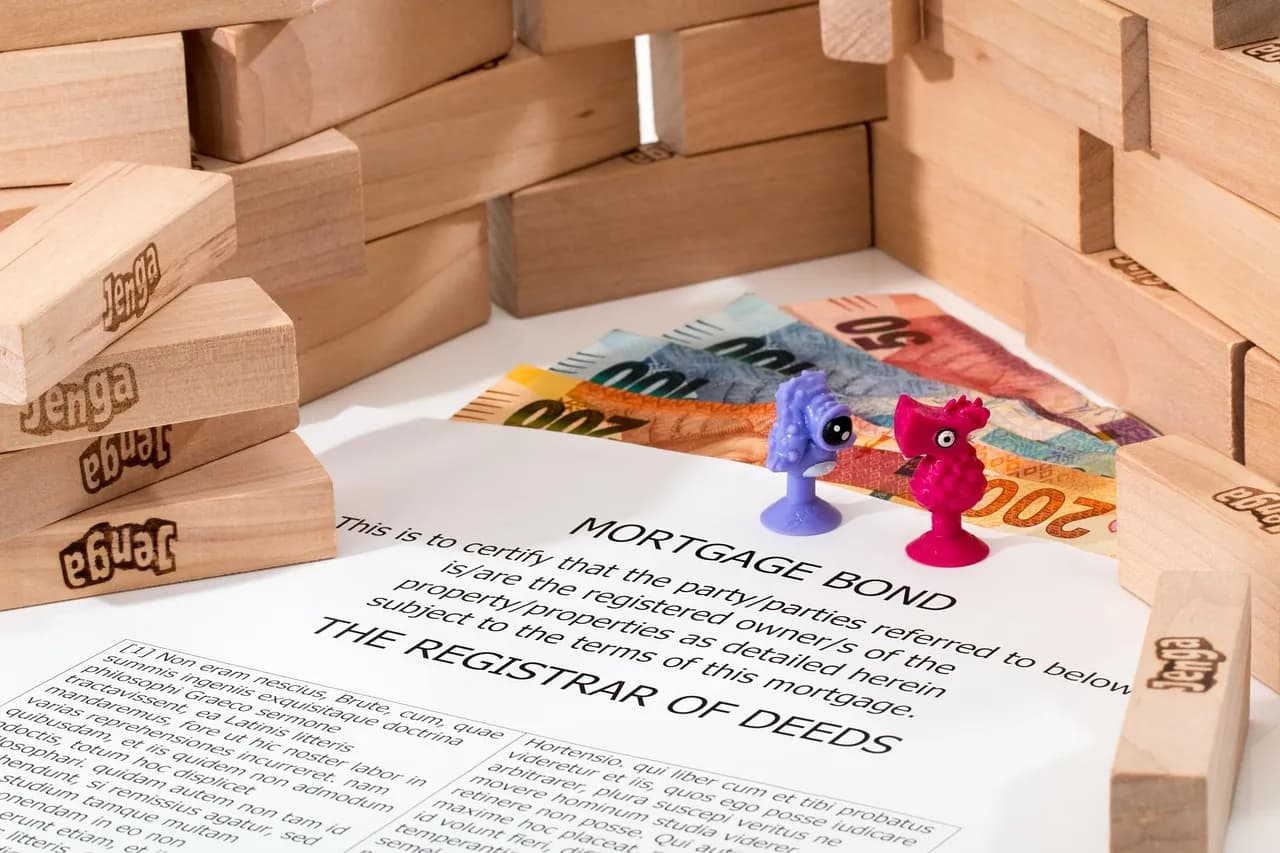
The property file market in Pakistan operates as a massive financial market that lacks an organized exchange, transparent pricing, or effective securities regulation, according to a report by the Business Recorder. The author notes that while the Securities and Exchange Commission of Pakistan (SECP) regulates shares, bonds, and mutual funds, it largely ignores the trade of property files—pieces of paper representing claims to land that may not yet have been developed, allocated, or even clearly identified.
Across major cities, developers, housing societies, dealers, and investors buy and sell these files, which change hands repeatedly as prices fluctuate and speculative bubbles emerge. The author explains that because the buyer often does not receive possession of land or a definite delivery date, the purchase is a contractual entitlement to a future plot. The author states that "economically, a property file is a financial security" and compares them to financial instruments like shares, bonds, and options, noting that all can be used to transfer claims and speculate on future values.
The author questions why the SECP has failed to recognize this market, noting that while the Securities Act, 2015, and the Futures Market Act, 2016, provide frameworks for securities and derivatives, an option over land is not automatically a security under current wording. However, the author asserts that if an instrument is "transferable, publicly marketed, repeatedly traded, and purchased primarily as an investment," its classification should not depend solely on whether the issuer calls it a property file.
The report suggests that the SECP should examine the contractual and economic characteristics of these instruments to determine which fall under existing legislation and recommend amendments where the law is inadequate. The author proposes that Pakistan should organize the market through a regulated exchange, possibly as a specialized segment of the Pakistan Stock Exchange (PSX) or a separately licensed marketplace.
Under such a proposed system, developers would be required to register underlying projects and disclose legal statuses, including land acquisition and development approvals. Each file would carry a unique electronic identifier, with ownership recorded through an authorized registry. The author suggests that prices and transaction volumes would be made publicly available, and settlement arrangements would be used to reduce the risk of forged documents and duplicate sales.