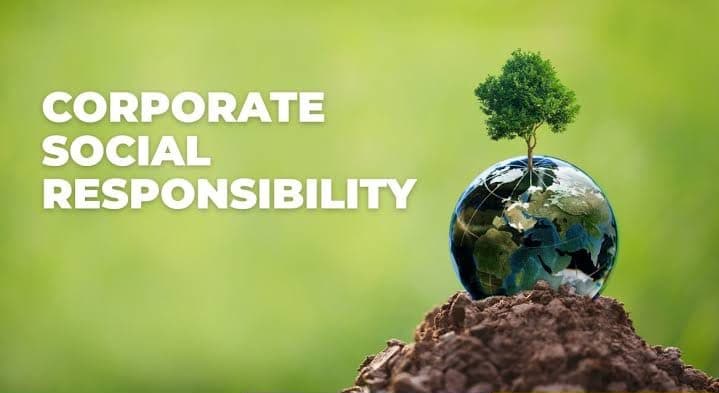
Speakers at a day-long workshop on Corporate Social Responsibility (CSR) held on Wednesday stressed the necessity of concerted efforts by oil and gas exploration companies to bolster basic civic facilities. The participants emphasized that strengthening education, healthcare, and access to clean drinking water is essential to improving living standards in underprivileged areas.
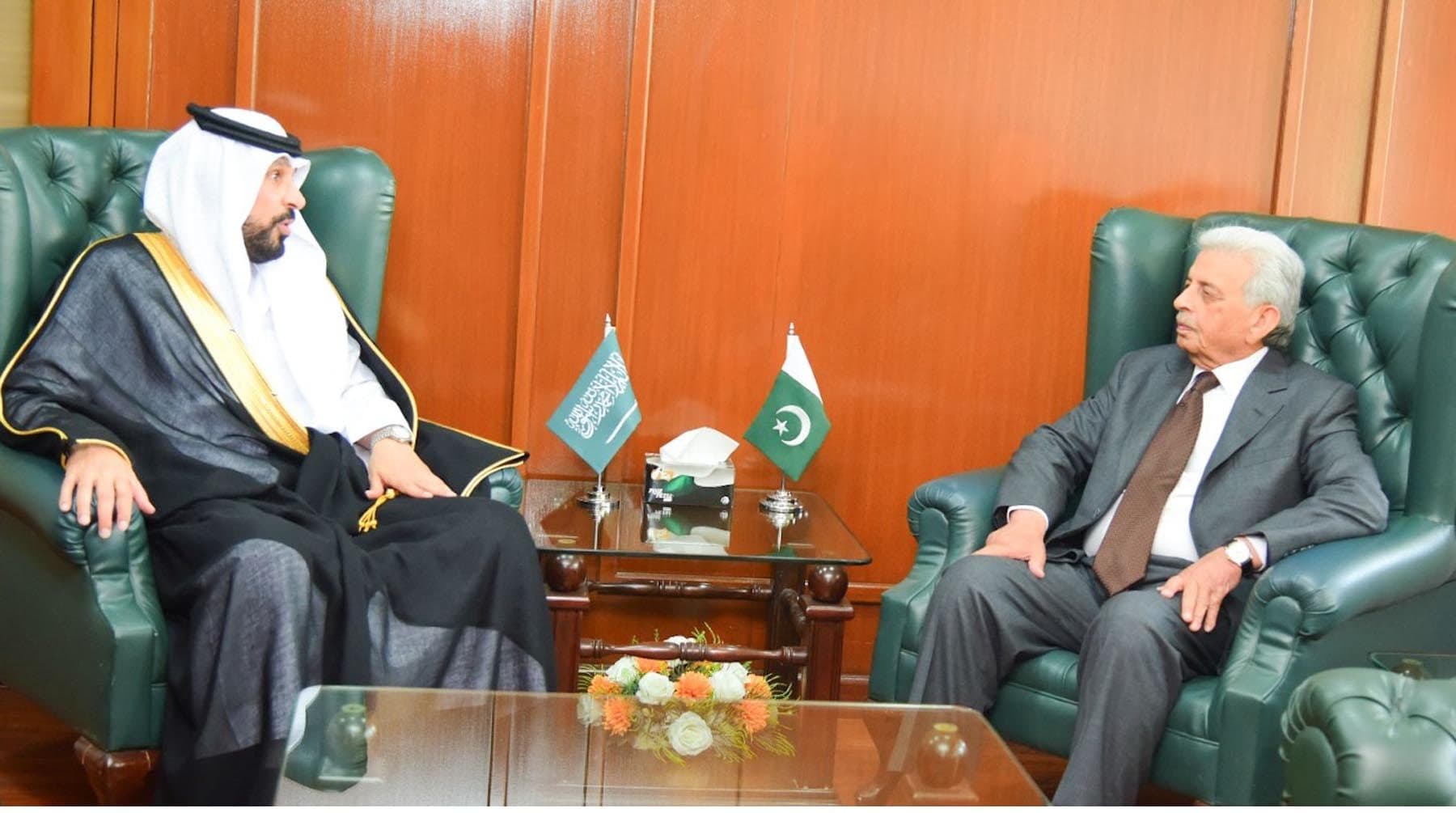
The workshop, organized by the Pakistan Petroleum Exploration and Production Companies Association (PPEPCA), gathered representatives from oil and gas exploration and production companies to share achievements and experiences regarding community development. Speakers highlighted that collective efforts from the energy and petroleum sectors could significantly bridge the development gap between disadvantaged communities and more developed parts of the country.
PPEPCA Secretary General Ibrar Khan stated that the association functions as a collaborative ecosystem to promote cooperation within the energy and petroleum sectors. He noted that CSR is a core priority for member companies, with a focus on creating meaningful and sustainable impacts. “Our CSR initiatives are integral to our operational priorities, focusing on improving livelihoods, expanding access to essential services and protecting the environment for future generations,” Khan said. He underscored that continued collaboration among stakeholders is needed to ensure social investments result in tangible improvements for those in remote and underserved areas.
A representative of Mari Petroleum Company Limited shared the company's CSR initiatives for the year 2025-26, noting interventions in healthcare, education, clean drinking water, and food security. The representative stated the company provided more than 336,000 meals to deserving people, extended healthcare facilities to around 190,000 individuals, and supported quality education for 1,600 students. Additionally, the company established clean drinking water facilities benefiting more than 600,000 people, while affordable and clean energy initiatives reached approximately 10,000 beneficiaries.
A representative of the Oil and Gas Development Company Limited (OGDCL) highlighted the company’s contributions to healthcare and social development in underserved communities. The representative reported that OGDCL organized 15 medical camps, screened 450 women, and installed radiation machines for advanced oncology services. Furthermore, OGDCL’s six mobile healthcare units provided free consultations, diagnostics, medicines, and health education to 74,679 patients, reaching communities with limited hospital access.
The workshop participants stressed that CSR activities should be viewed as long-term commitments rather than isolated welfare initiatives. They called for stronger coordination between exploration and production companies, government institutions, and local communities to identify priority areas and avoid duplication of efforts. The speakers maintained that improving existing civic infrastructure, alongside introducing new facilities, is essential for ensuring equitable access to basic services and improving the quality of life in less-developed parts of the country.