The International Monetary Fund (IMF) has instructed Pakistan to phase out its petrol subsidy program for motorcyclists, rickshaw drivers, and small car owners. An IMF spokesperson told Arab News that "The fuel support scheme should be phased out, given its broad targeting."
The IMF warned that any future fuel support must be limited, time-bound, and paid for within this year’s budget. If oil prices experience another surprise increase, the IMF wants any new relief to be targeted through established social assistance programs and accommodated within the FY27 budget envelope.
The current scheme was launched in September during the US-Iran war. It provides motorcycle and rickshaw users with a weekly petrol token worth Rs. 500. Owners of cars up to 800cc receive Rs. 100 off per liter on up to 10 liters every 10 days. While the government recently extended the subsidy until December, the IMF does not want it to continue past that point.
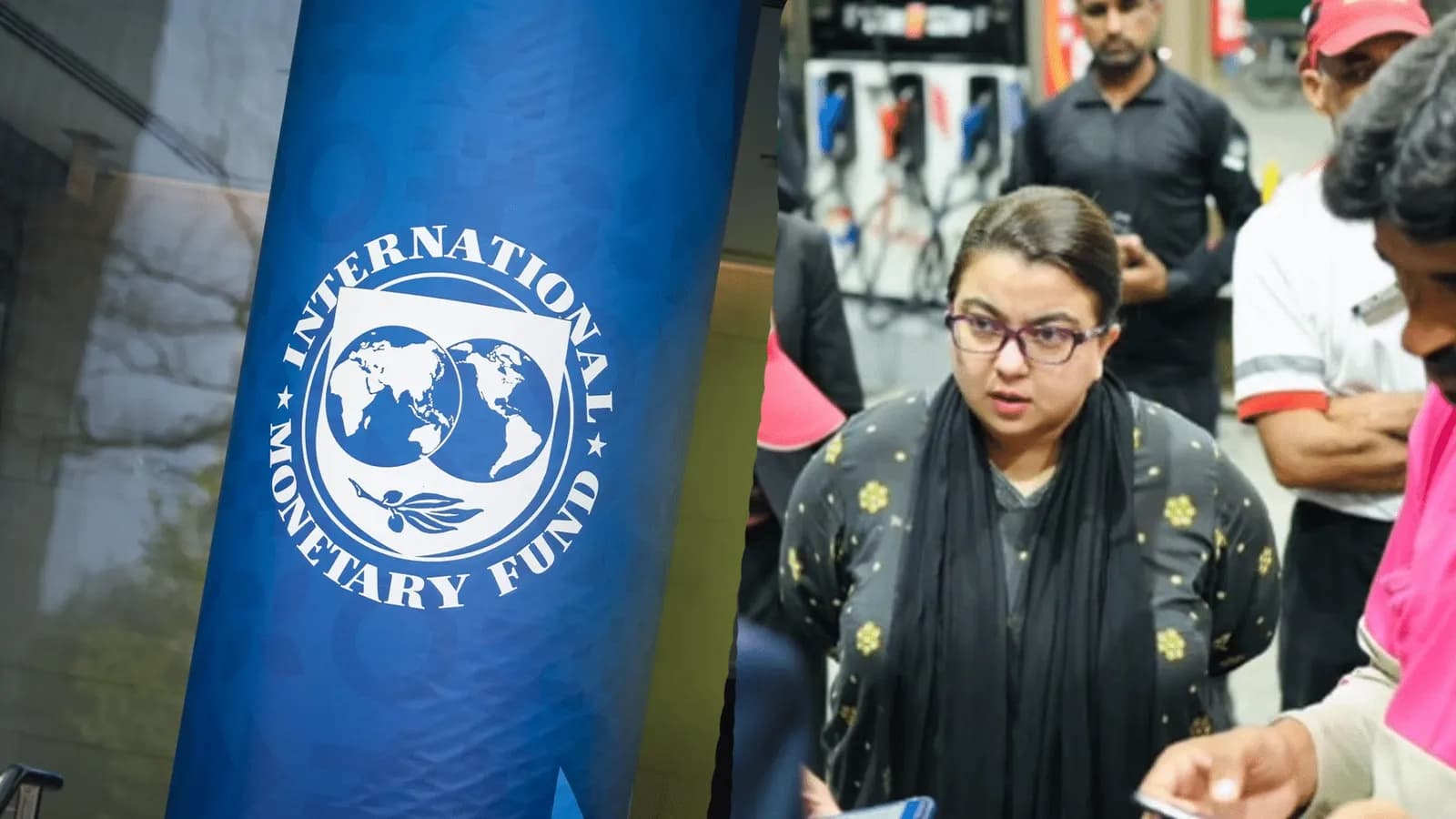
The subsidy program was developed and implemented with a key role played by IT Minister Shaza Fatima. Prime Minister Shehbaz Sharif announced a Tamgha for Fatima on March 23 for her role in implementing the subsidy. The program has a value of Rs. 75 billion and is a digital fuel subsidy.
Under the current loan program, Pakistan has committed to letting domestic fuel prices follow international rates while protecting the most vulnerable. Petrol prices reached a record Rs. 458.41 per liter on April 3 before easing to approximately Rs. 330.
The IMF warned that the Middle East war remains a significant headwind for Pakistan because of its reliance on Gulf oil and gas, noting that sustained volatility could weigh on the outlook. Inflation was reported at 9.6 percent in October, a decrease from 10.3 percent the previous month.
A staff-level agreement reached last month is currently awaiting Executive Board approval, which is expected in December subject to program requirements. Once approved, Pakistan will receive about $1 billion under the $7 billion Extended Fund Facility and $210 million under the Resilience and Sustainability Facility, bringing total disbursements to around $5.7 billion.