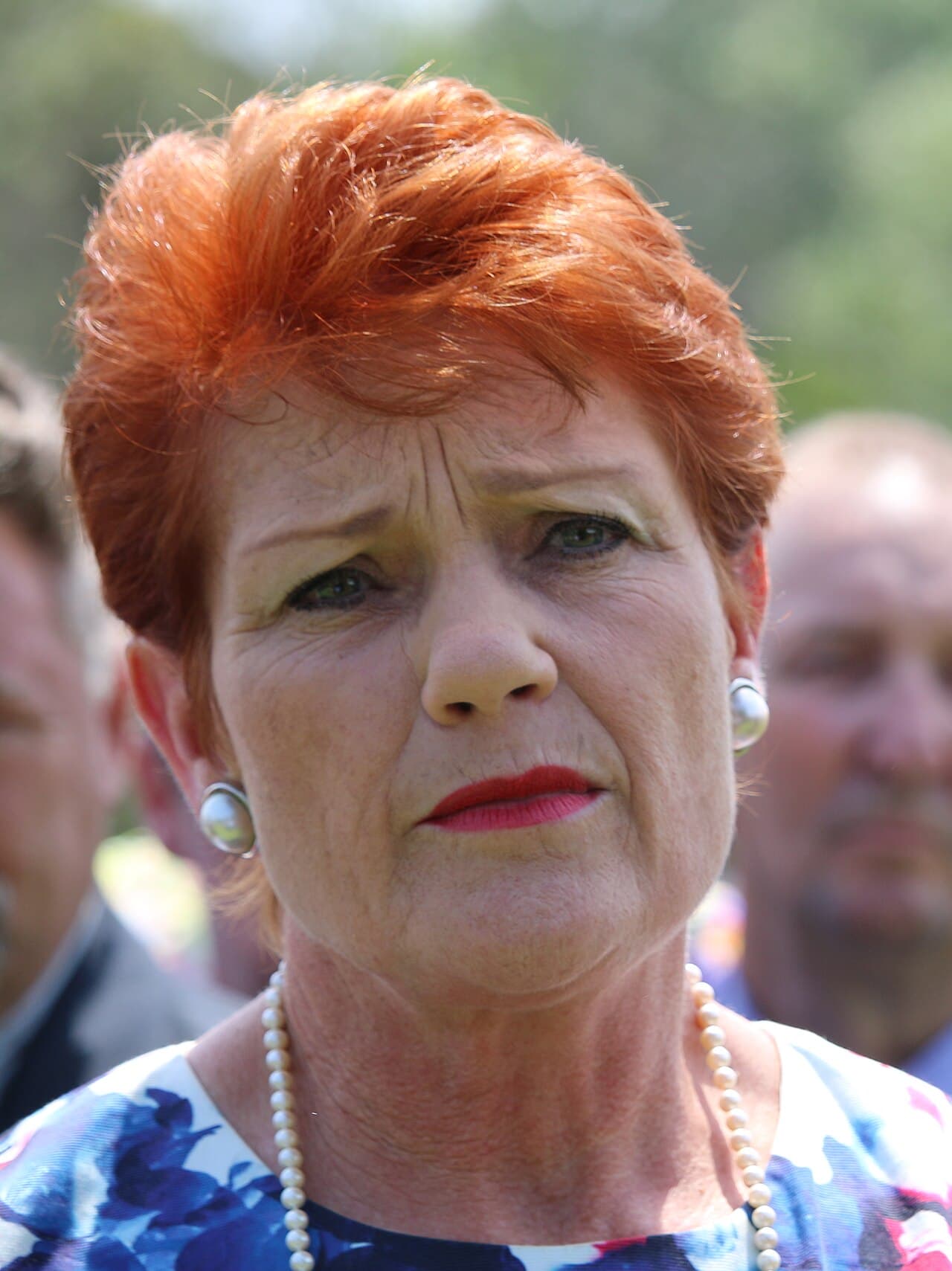
Pauline Hanson announced a plan to reduce the number of temporary migrants in Australia by more than 750,000 over a three-year period, specifically targeting international students and family members of skilled migrants. One Nation’s immigration policy warrants serious discussion, according to the report.
Achieving the proposed reduction would require net overseas migration (Nom) to turn negative for three consecutive years. Conversely, Labor’s longer-term target for Nom stands at 225,000.
Tony Burke stated that the enactment of One Nation’s plan would “trash Australian services and trash the Australian economy”. In a separate comparison, Canada has not set a specific net overseas migration level; rather, it has adopted policies aimed at reducing temporary migrants as a proportion of the population.
Canada’s temporary migrant share of the population decreased from a high of 7.6% in 2024 to 5%. Furthermore, Canada's annual population growth slowed from 3.1% in early 2024 to 0.5% currently.
Don Drummond and Parisa Mahboubi estimated that Real GDP growth in 2026 might not exceed 0.5%. The CD Howe Institute released a report in May concerning the nation’s economy during a period of “lower immigration era”.
Nathan Janzen stated that the Canadian economy has shown relative resilience. Jonathan Kearns noted that Canada’s post-pandemic growth surpassed Australia’s surge.
Australia’s population is currently tracking 0.2% above its pre-pandemic trend line. Currently, Australia reports an unemployment rate of 4.6% alongside widespread labour shortages.
Luci Ellis cautioned that one cannot simply point to Canada and claim it performed well. The CD Howe Institute analysis suggests that if low population growth becomes permanent, Canada’s economy would be approximately 11.5% smaller by 2060 compared with official government forecasts.
Janzen added that without immigration, labour shortages are set to become a structural feature of the economy.