Air pollution in Pakistan reduces the average life expectancy of residents by 3.9 years. A total of 128,000 premature deaths occur annually across the country due to poor air quality.
The economic cost of this pollution reaches an equivalent of 6.5 per cent of Pakistan's gross domestic product. The Pakistan Air Quality Initiative (PAQI) published a national landscape report titled 'Unveiling Pakistan's Air Pollution: A National Landscape Report on Health Risks, Sources, and Solutions'.
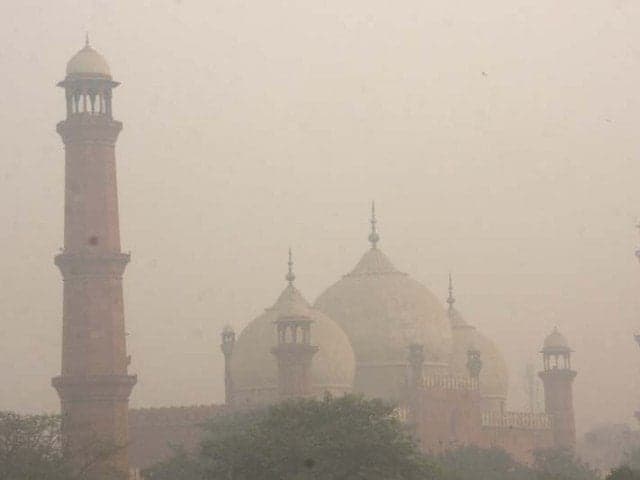
Specific measures identified in the document could lower emissions by 50 per cent. Lahore records an annual average PM2.5 concentration that exceeds 110 micrograms per cubic metre, far surpassing the World Health Organisation's guideline of 5 micrograms per cubic metre.
Transport contributes 35 per cent of primary PM2.5 emissions in Lahore, while industry accounts for 28 per cent. Brick kilns are responsible for 17 per cent of primary PM2.5 emissions in the city.
Industrial activity generates 49 per cent of emissions in Karachi. Prolonged exposure to polluted air might cut life expectancy in Lahore by 7 years.