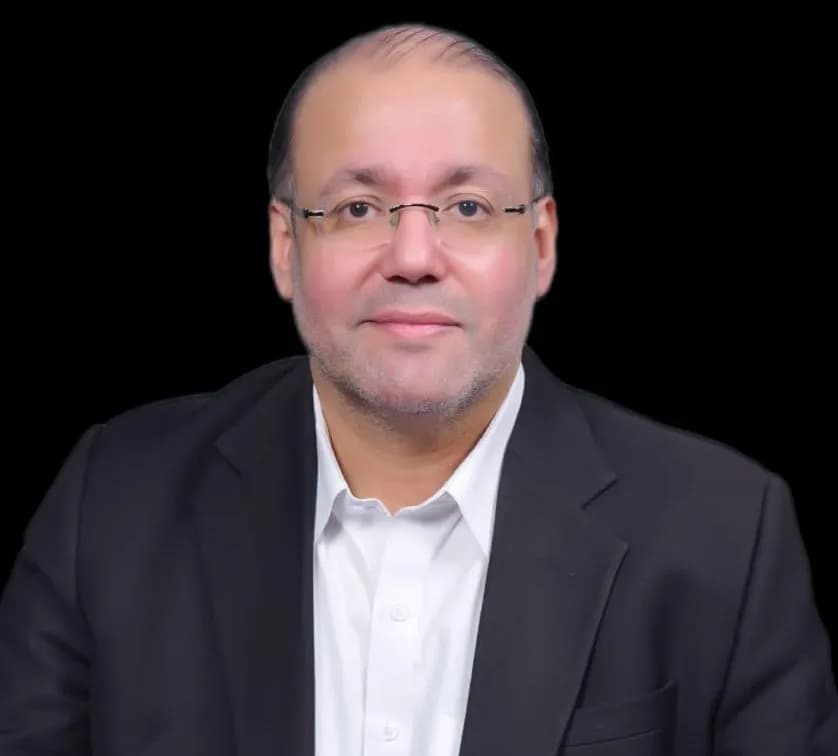
Federal Minister for Climate Change and Environmental Coordination Dr Musadik Malik is seeking to mobilise public and private investment to transition Pakistan's wastewater management from a conventional disposal system into a circular model. This shift would focus on treatment, recycling, and reuse to combat water security challenges caused by pollution, extreme weather, and climate change.
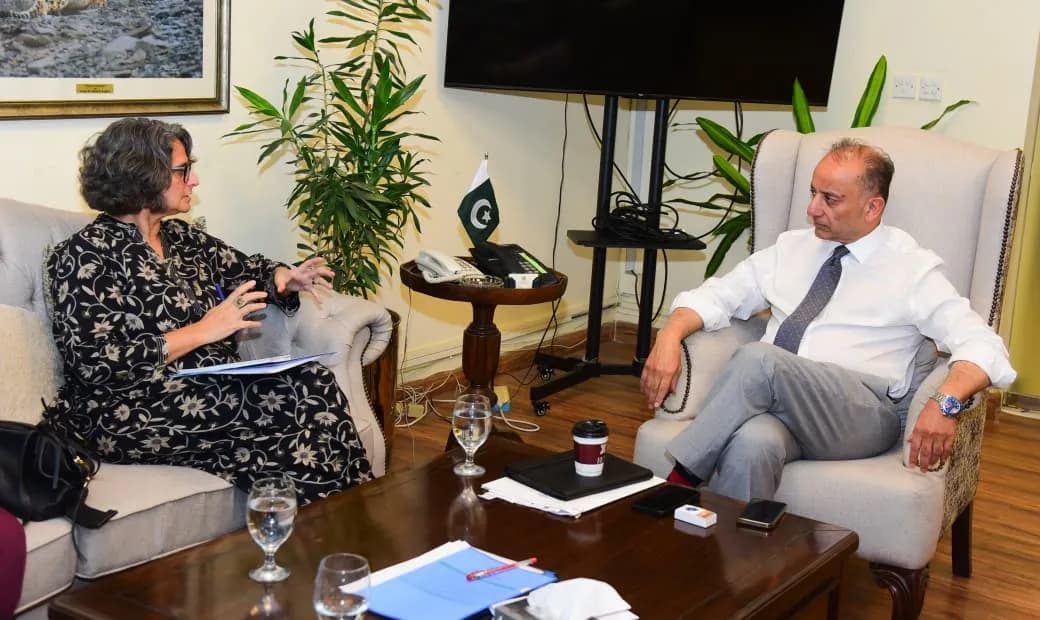
Dr Malik shared this vision during a recent meeting with Cindy Kushner, the UNICEF Chief of Water, Sanitation and Hygiene (WASH) and Climate, Environment and Energy (CEE), and her team. The discussion centered on Pakistan’s preparations for the 2026 UN Water Conference, co-hosted by Senegal and the United Arab Emirates, and opportunities to advance child-sensitive climate action before COP31.
Dr Malik stated that the proposed national investment platform for water and sanitation would help translate climate vulnerabilities into bankable projects by mobilising public investment and attracting climate and private-sector financing. He noted that the Indus Basin is facing mounting pressures from floods, extreme heat, pollution, and glacial melt. Consequently, he said Pakistan must move away from a linear model of waste disposal towards a circular approach to waste and wastewater management.
The proposed platform intends to prioritise wastewater circularity, with a specific emphasis on increasing the proportion of wastewater that is safely treated and reused, which Dr Malik noted currently remains low. To improve transparency and accountability, the minister highlighted plans to develop National WASH Accounts and Service Level Delivery Standards. He stated that credible tracking of expenditure, service delivery, and wastewater reuse would be essential to build confidence among investors and development partners.
The meeting also covered UNICEF’s Climate Landscape Analysis for Children (CLAC). Dr Malik welcomed an opening consultation for the framework at COP31, noting that millions of children face overlapping climate hazards and their needs must be at the centre of climate planning. Dr Malik expressed hope that the proposed WASH-sector initiative would provide a foundation for similar interventions in other social sectors and build greater investor confidence.
Cindy Kushner and the UNICEF team expressed interest in the proposed vision. They discussed the possibility of UNICEF engaging as a technical partner to support the Ministry of Climate Change and Environmental Coordination in developing the partnership.