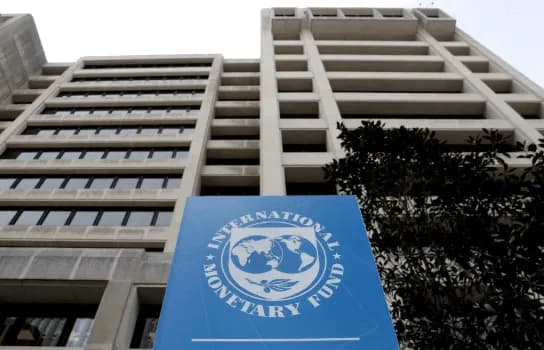
The International Monetary Fund (IMF) has warned that Pakistan’s external financial position could come under pressure in the medium term as imports increase and the growth in workers’ remittances slows. IMF Resident Representative Dr. Mahir Binici said Pakistan needs to continue strengthening its financial buffers and economic resources to protect itself against potential external shocks.
Speaking at the Pakistan Prosperity Forum this year, Binici acknowledged that the country had made progress towards economic stability but stressed that sustained and gradual reforms were necessary to turn that progress into long-term economic growth.
Binici identified low investment in human and physical capital as two of Pakistan’s major structural economic problems. He noted that weak investment has limited productivity, while low productivity, insufficient investment and poor export performance continue to reinforce one another. He pointed out that Pakistan’s exports have fallen to around 10 percent of gross domestic product (GDP), while a large portion of the workforce remains employed in the relatively low-productivity agriculture sector.
The IMF representative also said Pakistan’s current account position reflected structural weaknesses in the economy, including the gap between national savings and investment. He called for reforms in taxation, trade policy and the external sector, adding that Pakistan needed a broader, more stable and predictable tax system to strengthen its financial position.
Binici further warned that Pakistan’s economic safety buffers remained limited and that weakening policy discipline could reverse the gains achieved through recent stabilisation measures. He also identified escalating international conflicts, higher commodity prices and disruptions to global trade as major risks for Pakistan.