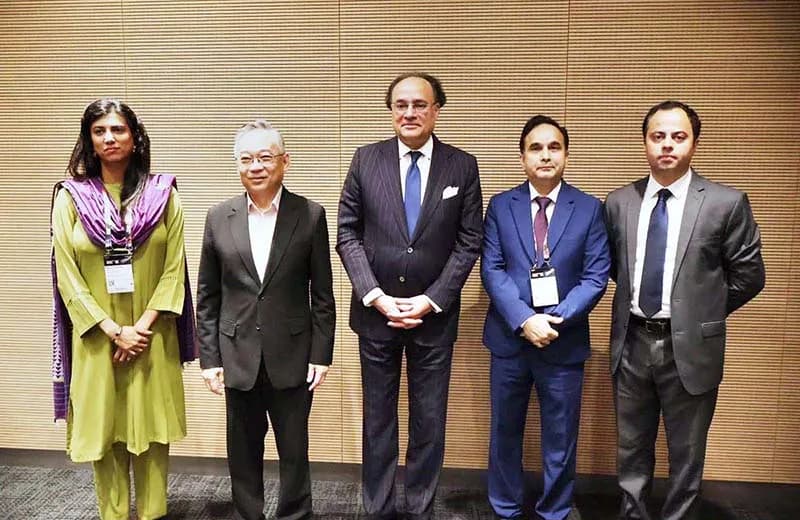
IMF Resident Representative Dr Mahir Binici cautioned on Thursday that Pakistan's fiscal position can weaken over the medium term due to rising imports and any moderation in remittances. Speaking at the Pakistan Prosperity Forum, arranged by the Policy Research Institute of the Market Economy (PRIME), Binici stated, "To be candid on the medium-term outlook, we also project that the fiscal position over the medium term can weaken as imports rise and remittances moderate, so we have to continue building buffers."
Binici's speech focused on why growth in Pakistan "is disappointing", the global backdrop for the country, and which reforms matter most. He noted that while Pakistan has the stability to start, sustained, fair, and well-sequenced reform is what can turn that stability into higher, more sustained growth and prosperity. He described Pakistan's weak economic growth as structural rather than cyclical, noting that economic policies have favoured incumbents and home market resources have been misallocated.
The IMF representative highlighted that the tax base has been too narrow to fund investment in people and infrastructure, leading Pakistan to fall behind its peers. Binici identified low investment in physical and human capital as the core issue, stating that investment has fallen, resulting in weak productivity, low investment, and subdued exports. He added that exports have slipped to about 10% of GDP, with many workers remaining in low-productivity agriculture.
Binici stated, "stabilisation has been necessary but not sufficient, and there is a need for a certain push on structural growth to change the trajectory over the medium and longer term." He warned that "buffers are still moderate, and the gains can be reversed if policy discipline becomes weaker." He also noted that tighter global financial conditions would test these buffers, and identified significant downside risks including conflict escalation, commodity price hikes, tighter global financial conditions, and trade disruptions.
To remain as shock absorbers, Binici said Pakistan must stick with policies including enhancing exchange rate flexibility, anchoring monetary policy toward the medium-term inflation target, enabling energy price pass-through with well-targeted support, and fiscal prioritisation. He identified high priorities as the organisation of GST, broadening the tax base through the non-income salaried class, retail, and agriculture, and phasing out distortionary withholding and minimum tax regimes.
Regarding the current account deficit, Binici said, "Pakistan's structure is driven by a saving-investment gap, so a current account deficit is natural and in line with fundamentals. Our assessment is that over the medium term the (current account) deficit remains below 1% of GDP." However, he did not give a clear answer on whether Pakistan can avoid another IMF programme after the current $7 billion bailout package expires in less than one year.
The forum also featured a heated discussion on the need for new provinces. Minister of State for Finance and Revenue Bilal Azhar Kayani said, "we have to achieve devolution one way or the other" soon after Binici's speech. Kayani argued that cash grants do not address long-term problems and called for a serious review of the current National Finance Commission (NFC) resource distribution formula. He was referring to the Rs1.035 trillion cash grant that the provinces have pledged this fiscal year to fund part of defence needs and building large dams.
Other speakers offered varying views on the economic outlook. Supply-side economist Rizwan Rawji delivered a severely critical speech, stating, "The IMF has been peddling wrong advice, which is delivered with brutal diktat and is anti-growth." Rawji claimed that "IMF buffers were for the duffers" and that tax targets were delivered at the expense of higher economic growth.
Senior Economic Advisor at the British High Commission Louie Dane noted that every country that sustained income growth above 7% for 15 years also grew its economy by more than 10% a year over that period. Dane said Pakistan needs to streamline rules and harmonise with international standards. Kayani noted the government held extensive discussions with exporters and met their recommendations, including abolishing the Export Development Surcharge and reducing taxes.
CEO of PRIME Ali Salman suggested Pakistan could grow faster by reforming the Planning Commission, the tax structure, harmonising business rules, and abolishing the Economic Coordination Committee, stating, "For these reforms we do not need foreign loans."