Key Takeaways
- Apple increased iPhone prices in India by as much as 41%.
- The price hike follows Apple's September event and increasing component costs.
- India is one of Apple's fastest-growing markets but prices remain higher than in the U.S.
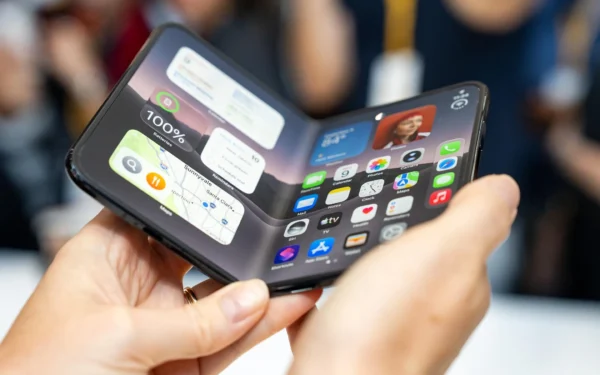
Apple has significantly increased the prices of its existing iPhone lineup in India by up to 41%, marking one of the steepest hikes in any market where it has repriced this year. This move comes after Apple's September event, where it unveiled its first foldable phone, the iPhone Duo, led by new CEO John Ternus.
The price increase in India is notably higher than in other markets. For instance, the lower storage variant of the iPhone 17 saw a 21% price hike to 99,900 Indian rupees ($1,048), while the iPhone Air recorded the sharpest jump at 41% to 224,900 Indian rupees ($2,359) for its one terabyte variant.
In comparison, the equivalent U.S. variants rose by 13% to $899 for the base iPhone 17 and 21% to $1,699 for the iPhone Air 1 TB. The price difference is even more pronounced for the foldable iPhone, which is $1,100 more expensive in India than in the U.S.
The price hikes in India are not isolated incidents but part of a broader trend. Apple had previously announced plans to raise iPhone prices globally due to increasing memory and storage chip costs. A surge in AI-driven demand for data centers has intensified competition for these key components, driving up costs.
India is a crucial market for Apple, being one of its fastest-growing markets and now assembling a significant share of the iPhones it sells globally. Despite this, the import duties for components and an 18% goods and services tax still push iPhone prices in India well above U.S. levels.
The price increases have drawn swift reactions on social media in India, with some commentators arguing that the pricing now positions the iPhone as a luxury product for Indian buyers. Many users have pointed out the stark difference in pricing between the U.S. and India, highlighting the impact of local taxes and import duties.
Apple's decision to increase prices in India is part of a larger strategy to manage costs and maintain profit margins in a highly competitive market. However, the significant price difference between the U.S. and India may continue to be a point of contention for consumers and tech enthusiasts in the country.
The price hikes have also sparked discussions about the affordability of Apple products in India. While the company continues to invest in the local market, the increased costs could potentially limit the reach of its products among a broader segment of the Indian population.