Key Takeaways
- AI is creating unappetizing food images for restaurant promotions.
- Examples include donut shrimp, wormlike noodles, and monstrous burgers.
- Critics find these images disturbing and unrepresentative of actual food.
Artificial intelligence (AI) is increasingly being used by restaurants and brands to generate images of their food, but the results are often far from appetizing. These AI-generated images are causing shock and disappointment among diners, who find the creations bizarre and unrecognizable.
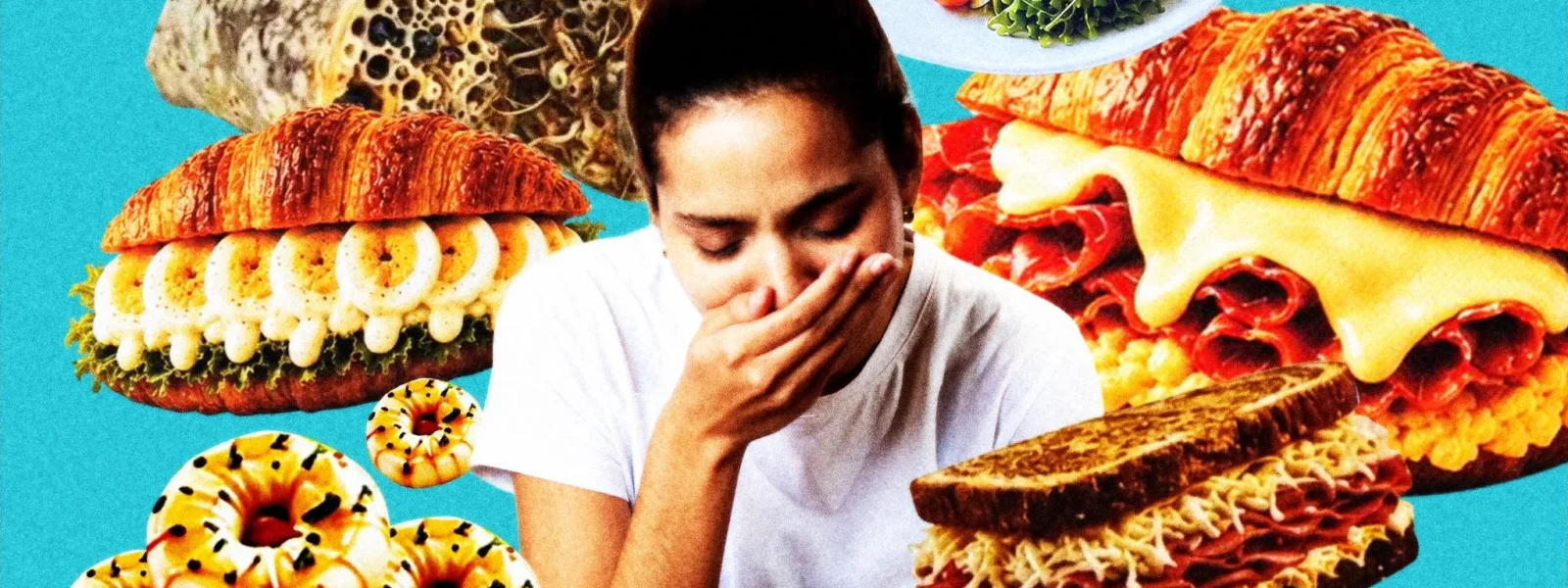
The Verge reports on a series of AI-generated food images that have gone viral, including a donut shrimp, which looks more like a misshapen lump than a food item. Other examples include Reubens from the deep, which resemble construction material, and noodle-like pastries that are described as wormlike. The article also mentions a monstrous burger that is difficult to describe, and a trypophobic burrito from hell, complete with grubs.
Critics of these AI-generated images point out that the creations are often unrecognizable and unappealing. One particularly disturbing image features lumps and holes, prompting concerns about the accuracy and reliability of AI in food representation.
The AI-generated images are created using a technique called diffusion, which involves generating images based on a set of prompts. However, the results are often unpredictable and can lead to images that are far from the intended food item.
While AI can be a useful tool for marketing and promotion, these examples highlight the potential pitfalls of relying solely on AI-generated content. Diners are left questioning the authenticity of the images and the quality of the food they are being promised.
The Verge article notes that these AI-generated images are not just a one-off occurrence but a trend that is gaining traction in the food industry. This raises concerns about the accuracy and reliability of AI-generated content in marketing and advertising.
Critics argue that AI-generated images should be used with caution and that brands should ensure that the images accurately represent the food they are promoting. The potential for misleading or unappetizing images could damage brand reputation and customer trust.
The AI-generated food images are causing a stir in the food industry, with many diners expressing disappointment and concern. The trend highlights the need for brands to carefully consider the accuracy and authenticity of the images they use in marketing and promotion.