Key Takeaways
- United Launch Alliance's Vulcan rocket is scheduled for launch in October.
- South Korea's Nuri rocket successfully deployed five satellites.
- A CubeSat secondary payload from a South Korean startup failed to separate.
In a rare development, the Falcon 9 rocket, operated by SpaceX, has been scrubbed for an upcoming launch, potentially opening the door for United Launch Alliance's Vulcan rocket to take center stage.
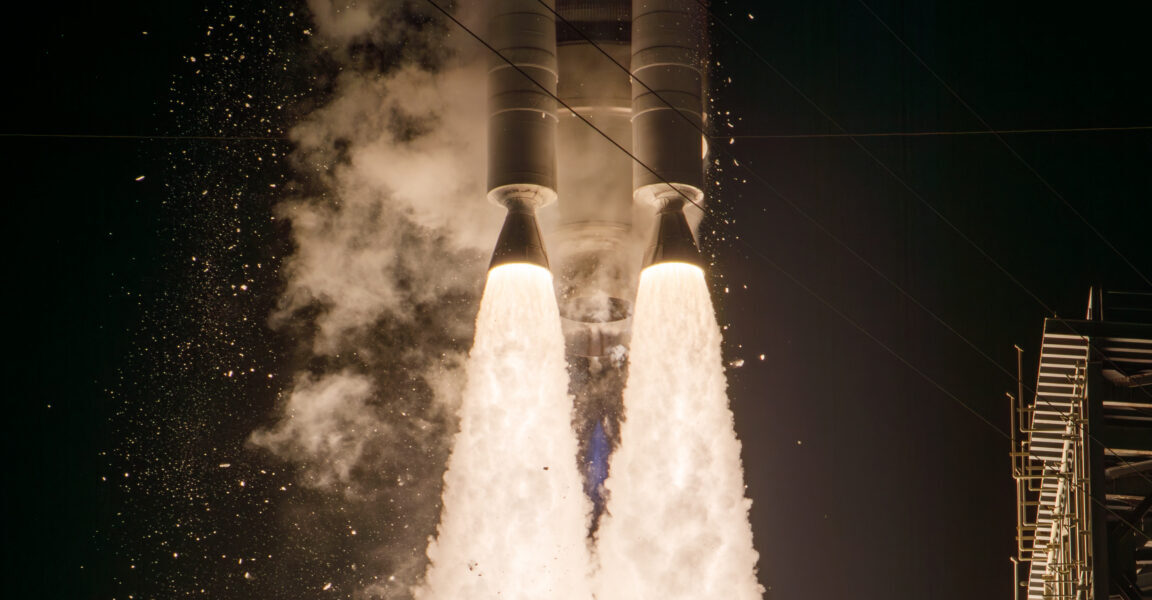
According to Ars Technica, United Launch Alliance has set a no-earlier-than launch date for October 29 for the return to flight mission of the Vulcan rocket, which will carry an Amazon Leo payload.

Following this mission, another Amazon Leo mission is also planned for the same year, suggesting that Vulcan is on the cusp of a significant breakthrough in launch cadence, assuming the solid rocket boosters perform as expected.
Meanwhile, South Korea's Nuri rocket has achieved a notable success, successfully deploying five satellites during its fifth flight, as reported by Yonhap News Agency.
The Nuri rocket launched on Wednesday and, according to the Korea Aerospace Research Institute, nine out of the ten CubeSat secondary payloads were released as planned, marking a significant milestone for the country's space program.
However, the PERSAT-02, a CubeSat developed by South Korean startup Quaternion, failed to separate from the rocket, highlighting the challenges still present in satellite deployment.
These developments underscore the competitive landscape in the space industry, with both established and emerging players vying for a share of the market.
As the space sector continues to evolve, the success of the Nuri rocket and the upcoming launch of the Vulcan rocket will be closely watched by industry analysts and space enthusiasts alike.