Key Takeaways
- 94% of youth in Pakistan have no access to libraries.
- 97% of youth have never attended a live music event.
- National survey from 2017 highlights limited opportunities for youth engagement.
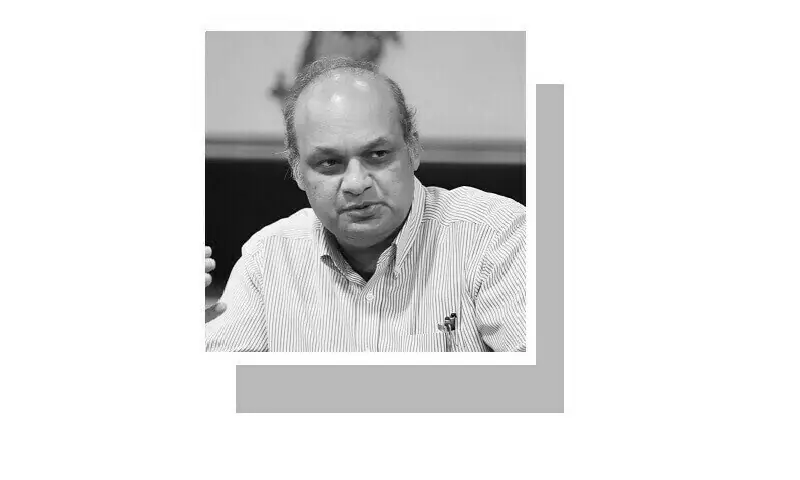
A recent survey conducted for UNDP’s Pakistan National Human Development Report 2017 revealed that 94% of youth in Pakistan have no access to libraries, 93% lack access to sports facilities, and 78% do not have a nearby park. Additionally, 97% of youth have never attended a live music event, 94% have not been to a sports event, and 97% have never visited a cinema. These findings, which were co-authored by Dr Adil Najam and another individual, indicate a significant gap in opportunities for positive youth engagement outside the home.
Since 2017, the economic situation in Pakistan has not improved, and there have been no significant positive changes in national human development outcomes. The impact of the global slowdown and the ongoing pandemic has further limited access to public spaces and cultural events.
In contrast, a personal observation from London highlights the stark difference in public space utilization. A local park, managed by the local council, is well-utilized, with hundreds of children, parents, and dogs visiting daily. The park features walking tracks, multipurpose fields, tennis courts, and a children’s play area. It is a vibrant space that supports various activities, from training sessions to picnics.
The park in London is a testament to the importance of public spaces in fostering community engagement and providing opportunities for physical and social activities. The local council plays a crucial role in maintaining and managing these spaces, ensuring they are accessible to all residents. The area around the park is family-oriented, with parents comfortable allowing their children to play unsupervised.
While the park in London is well-maintained, it requires significant upkeep for cleaning and maintaining the track, trees, and grassy fields. Despite this, the council provides the necessary services diligently, recognizing the benefits of healthy activities for the community.
The situation in Pakistan, however, remains challenging. The lack of public spaces and cultural events limits the opportunities for youth to engage in positive activities outside their homes. This can have long-term implications for their development and well-being.
The findings of the 2017 survey and the current economic conditions suggest that the situation for youth in Pakistan has not improved significantly. The need for more public spaces and cultural events to support youth engagement is evident and urgent.
The contrast between the well-utilized park in London and the limited access to public spaces in Pakistan underscores the importance of investing in public infrastructure to support youth development and community engagement.