Key Takeaways
- KSE-100 Index drops over 400 points amid geopolitical tensions.
- Selling pressure seen across key sectors at PSX.
- Global crude oil prices remain high, influencing market sentiment.
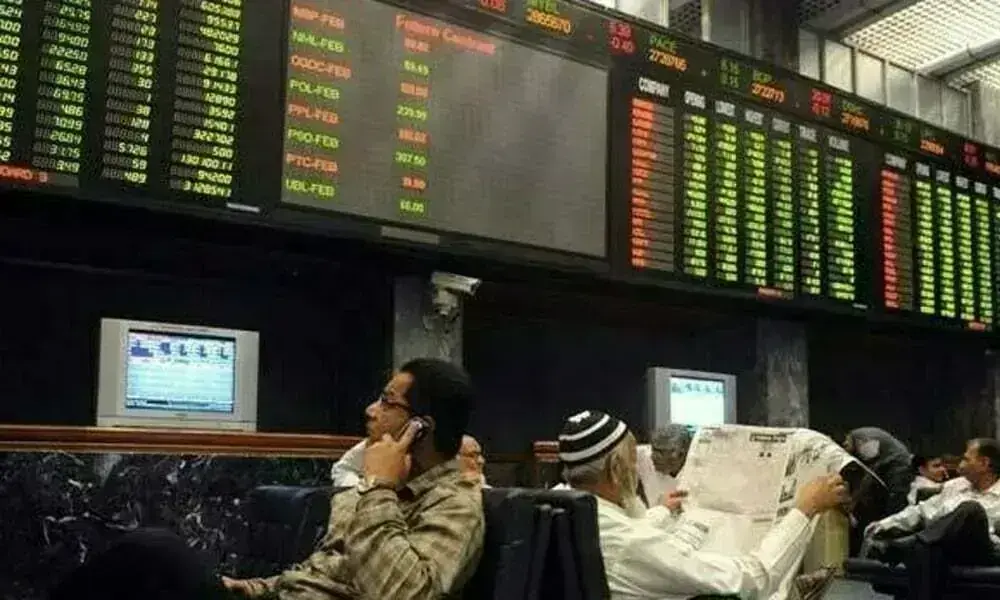
The Pakistan Stock Exchange (PSX) experienced significant selling pressure on Thursday, with the KSE-100 Index shedding over 400 points during the opening minutes of trading. At 9:40am, the benchmark index was hovering at 171,510.66, down by 432.93 points or 0.25%. This marked a continuation of the negative trend observed in the previous session, where the KSE-100 Index had already shed 698.56 points, or 0.40%, to close at 171,943.60 points.
Geopolitical tensions in the Middle East, particularly the ongoing conflict between Iran and the United States, contributed to the market's volatility. The largest attacks on shipping since the conflict began were reported, causing international markets to remain nervous. Brent crude futures edged up to $101.4 per barrel, having broken through the $100 mark for the first time since July, adding to inflationary concerns.
Selling was observed across key sectors, including automobile assemblers, cement, commercial banks, fertiliser, oil and gas exploration companies, and OMCs. Index-heavy stocks such as PSO, MARI, OGDC, PPL, FFC, MCB, MEBL, and NBP traded in the red, reflecting the broader market sentiment. Persistent geopolitical tensions across the Middle East and rising global crude oil prices dragged the PSX into negative territory, leading to selective profit-taking among investors.
Internationally, Asian stocks slid on Thursday as the biggest wave of attacks on shipping in the widening conflict in the Middle East kept oil prices above $100 a barrel. This left investors nervous ahead of US inflation data, which will influence monetary policy. Benchmark 10-year US Treasury yields held steady at 4.8406%, after scaling to their highest since 2023 in the previous session. The Treasury Department's announcement of a $6 billion buyback of longer-dated bonds disappointed some investors who had hoped for a larger buyback.
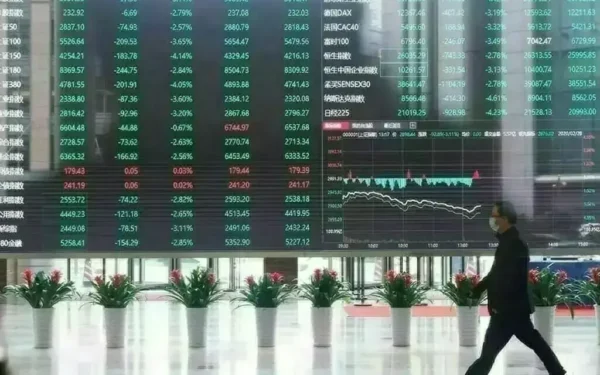
The PSX's performance mirrored that of other Asian markets, with MSCI’s broadest index of Asia-Pacific shares outside Japan falling 1%. Japan’s Nikkei and South Korea’s KOSPI also dipped more than 1%, indicating a broader regional impact of the geopolitical tensions and rising oil prices.