Key Takeaways
- DIG Lahore has directed police to ensure no women are present at stations after Maghrib.
- The directive follows an incident where a woman was allegedly sexually assaulted by a police officer.
- Critics argue that efforts should focus on making police stations safe rather than limiting women's presence.
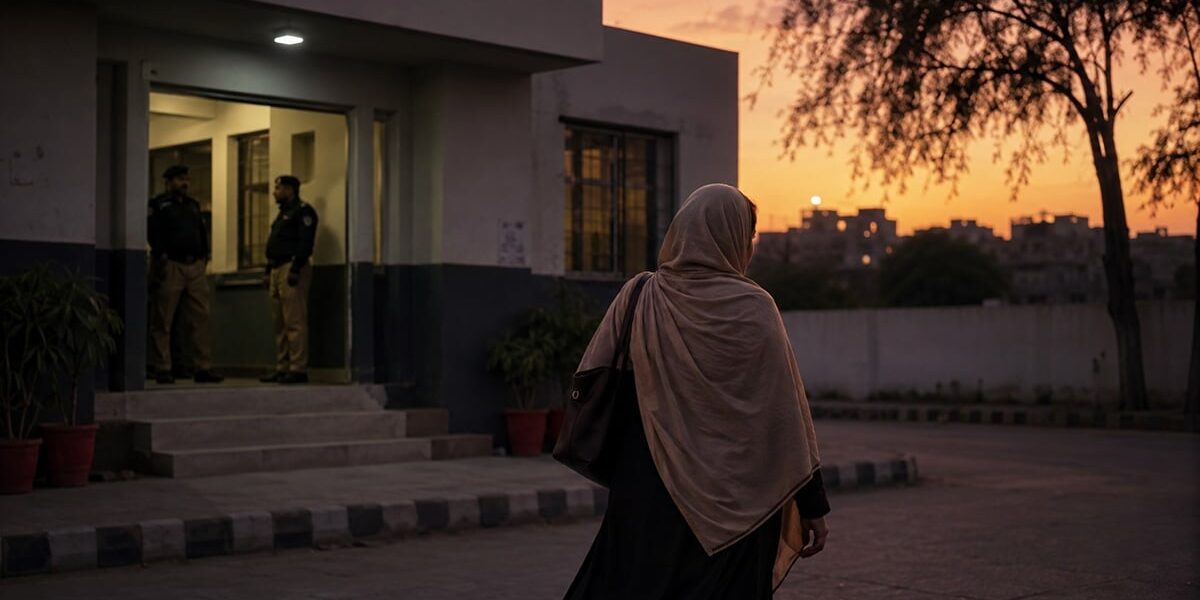
Deputy Inspector General (DIG) Operations Lahore, Muhammad Faisal Kamran, has issued instructions to police officials to ensure no woman remains at any police station after Maghrib prayer. This directive applies to both complainants and accused women.
The measure was implemented during a crime-control meeting with officers of the City Division and is intended to protect women's dignity amid growing concerns over crimes against them in Lahore.
Following this directive, DIG Investigation Syed Zeeshan Raza ordered the immediate registration of an FIR against ASI Imran for allegedly sexually assaulting a 19-year-old woman with a mental health condition. The incident occurred in the Ghaziabad area.
According to police reports, the victim left her home and did not return for several hours, leading her family to search for her. A local resident informed them that she had been taken away by a plainclothes police official on a motorcycle.
The victim later alleged that ASI Imran took her to another location where he sexually assaulted her. Police registered an FIR against the accused officer and suspended 78 officers in connection with the incident.
Punjab Chief Minister Maryam Nawaz Sharif has emphasized the protection of women and children as a 'red line' issue, directing police to respond within 15 minutes to emergency calls from women and register FIRs within 24 hours.
Critics argue that instead of limiting women's presence at stations after sunset, law enforcement agencies should focus on making their facilities safe for all genders. They contend that such measures could inadvertently increase vulnerability among women who may need assistance during the night.
The directive has sparked debate among human rights activists and legal experts, with some calling for a comprehensive review of police station policies to ensure safety and dignity for all.