Key Takeaways
- A policy to upgrade existing refineries has been approved after six years of discussion.
- The aim is to produce environment-friendly fuels and reduce furnace oil production.
- Incentives include a deemed-duty contribution for refineries.
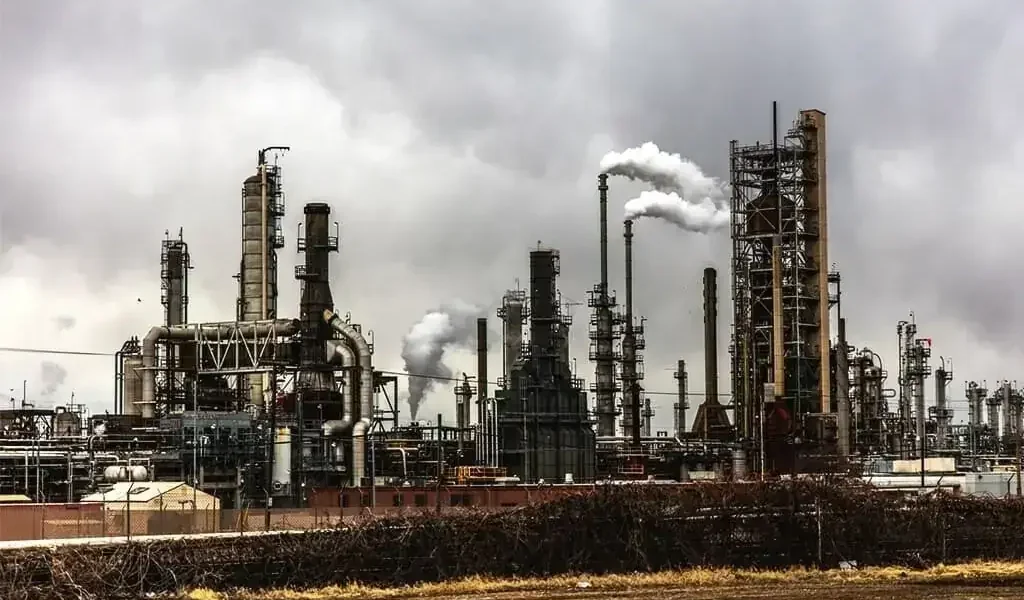
Finally, a brownfield refinery policy has been approved in Pakistan. After six years and three governments, the policy offers incentives to upgrade existing refineries, aiming to produce environment-friendly Euro V-specification petroleum products.
The objective is to increase the share of value-added products by minimizing furnace oil (FO) production. Critics argue that the policy came too late as global supply has outpaced demand due to new refineries in the Middle East and other regions.
Upgrading existing refineries and building new ones have been under discussion since the early 2000s, but the global landscape has shifted significantly over the past two decades. The recent US-Iran war highlighted the risks of import dependence, prompting authorities to consider increasing domestic production and building strategic petroleum reserves.
The delay was mainly due to a proposed sales tax exemption on imports of plant and machinery, which the IMF did not agree with. Years were wasted in negotiations before the exemption was granted, allowing the policy to be implemented.
Depending on each refinery’s current configuration, upgrades will have different impacts. However, all refineries are expected to produce more motor gasoline (petrol) and high-speed diesel (HSD), while reducing FO production. This would improve the yield from refining crude oil, which is largely imported.
Better-quality Euro V-specification fuels will be produced, aligning with Pakistan’s commitments under international treaties and addressing air quality issues in a country highly vulnerable to climate change.
Incentives for refineries include a deemed-duty contribution—2.5 percent on HSD and 10 percent on motor spirit (MS)—to be deposited into escrow accounts. These funds can cover up to 27.5 percent of the total project cost, with the remainder to be arranged through equity or debt financing.
Most refineries may seek debt financing of around USD3.5 billion–USD4 billion, as the total project cost is estimated at USD5 billion–USD6 billion.