Key Takeaways
- The Lawyers Action Committee (LAC) has condemned the Judicial Commission of Pakistan’s (JCP) process for appointing judges to high courts.
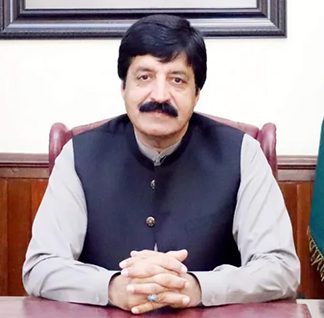
- Veteran lawyer Ali Ahmed Kurd has been nominated to lead a nationwide movement against the perceived corruption in judicial appointments.
- The LAC resolution criticizes the appointment process as akin to political rewards and financial influence, threatening justice in Pakistan.
ISLAMABAD: The Lawyers Action Committee (LAC) has rejected the Judicial Commission of Pakistan’s (JCP) process for appointing judges to high courts, describing it as a 'horse trading' exercise. This move comes amid ongoing concerns over the integrity and fairness of judicial appointments in Pakistan.
In a resolution adopted at its meeting in Islamabad, the LAC stated that while the adverse effects of constitutional amendments continue to impact the justice system, the current process for appointing judges is particularly concerning. The committee’s statement highlights the perceived corruption and political influence involved in these appointments.
Veteran lawyer Ali Ahmed Kurd, who was a central leader during the 2007 lawyers’ movement against President Pervez Musharraf's removal of Chief Justice Iftikhar Muhammad Chaudhry, has accepted the leadership of this new movement. Speaking to reporters at the Supreme Court, he said, 'I have accepted the leadership with a heavy heart at the insistence of my colleagues.'
Kurd emphasized that the people are the real stakeholders in Pakistan’s justice system and that the movement will aim to mobilize public support against what it perceives as a flawed appointment process. He announced that the LAC's first public meeting would be held in Khyber Pakhtunkhwa, with plans for additional events including one in London at the invitation of overseas Pakistanis.
The resolution adopted by the LAC urged JCP members who still possess a conscience to refrain from participating in what it termed as 'horse trading' and to speak out against this 'farce'. It alleged that appointments to high courts are often granted as rewards for political loyalty or secured through financial influence. The committee further criticized the interview process, describing it as a 'mockery', with allegations of interviews being held in camera while several JCP members were excluded from the interview committee.
The LAC also expressed concern over the deteriorating security situation in Balochistan and the loss of dozens of lives due to frequent terrorist attacks. The resolution stated that the pursuit of a 'hard state' approach has alienated large sections of the population, resulting in the loss of lives and security, which is being exploited by others.
The committee called for the constitution of a fact-finding commission for troubled regions to identify their issues and grievances and hold public consultations on possible solutions. This move underscores the LAC's commitment to addressing not only judicial appointments but also broader governance concerns in Pakistan.
'I have accepted the leadership with a heavy heart at the insistence of my colleagues.'
Ali Ahmed Kurd, Veteran lawyer and former Supreme Court Bar Association president