Key Takeaways
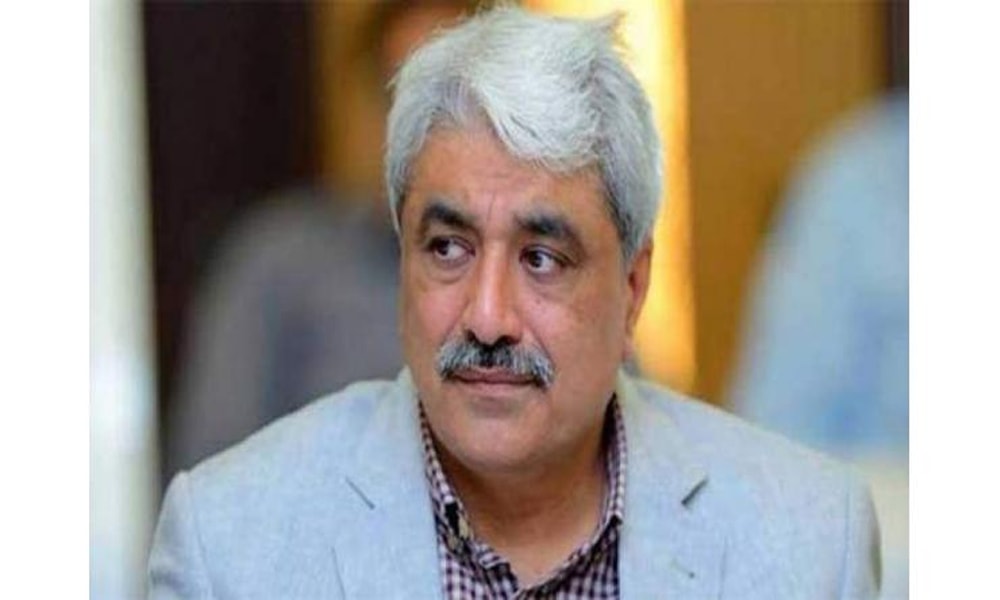
- Punjab Health Minister Khawaja Salman Rafique chaired the 44th Syndicate Meeting of Fatima Jinnah Medical University.
- Administrative, academic and financial decisions were approved to strengthen the university and its healthcare institutions.
- Decisions from the previous meeting were ratified during this session.
Punjab Health Minister Khawaja Salman Rafique presided over the 44th Syndicate Meeting of Fatima Jinnah Medical University (FJMU) on Saturday, approving a series of critical decisions aimed at enhancing the institution's operations and academic standards.
The meeting focused on administrative reforms, academic policies, and financial management strategies to bolster FJMU’s position as a leading medical university in Pakistan. These measures are expected to improve the overall quality of education and healthcare services provided by the university and its affiliated institutions.
During the session, decisions taken at the 43rd meeting were ratified, ensuring continuity and consistency in the university's strategic planning. The minister highlighted the importance of these decisions in aligning FJMU’s objectives with national health priorities.
Key among the approved measures included the implementation of new academic programs, enhanced research facilities, and improved financial oversight to ensure transparency and accountability. These initiatives are designed to address current challenges and capitalize on emerging opportunities in the medical field.
The minister emphasized the need for sustained efforts to maintain high standards of education and healthcare delivery. He stated, 'Our focus is on creating a robust environment that fosters excellence in medical education and research, ultimately contributing to the betterment of public health.'
FJMU’s role in training future healthcare professionals and conducting cutting-edge research was underscored as crucial for addressing Pakistan's growing healthcare needs. The university aims to produce skilled graduates capable of tackling complex medical challenges.
The meeting also discussed strategies to enhance collaboration with other educational institutions and government bodies, aiming to create a more integrated health system. This collaborative approach is expected to streamline the delivery of healthcare services and improve patient outcomes.