Key Takeaways
- Escaped flowerhorn cichlids have integrated into Lake Sampaloc in the Philippines.
- Scientists warn of potential threats to native species and human health.
- The fish are believed to have escaped during a typhoon from breeding facilities.
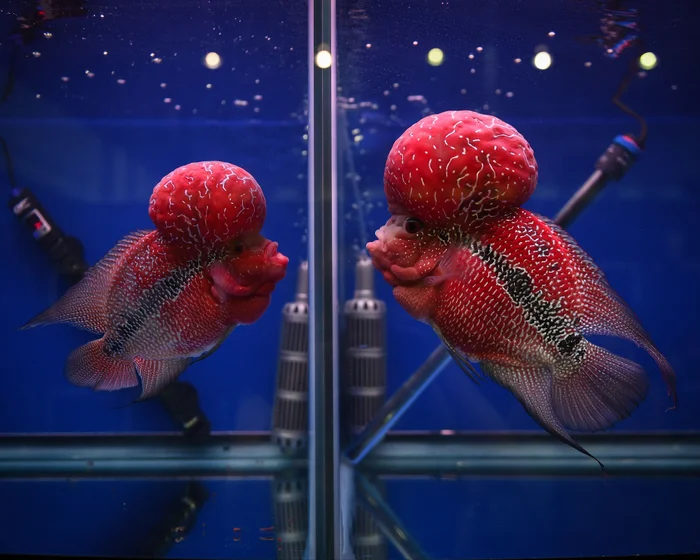
Escaped ornamental aquarium fish, specifically flowerhorn cichlids – hybrid fish known for their bright-gold color and prominent head humps – have integrated into Lake Sampaloc in the Philippines. These human-bred hybrids are causing concern among scientists who fear they may threaten the native biodiversity of the lake.
According to reports from local authorities, the flowerhorn cichlids are believed to have escaped during a typhoon from breeding facilities located near the lake. The integration of these non-native species into the ecosystem has raised alarm bells about potential impacts on the local flora and fauna.
Scientists warn that the presence of these hybrid fish could disrupt the natural balance of Lake Sampaloc, potentially outcompeting native species for resources such as food and habitat. This could lead to a decline in biodiversity, which is crucial for maintaining healthy aquatic ecosystems.
Moreover, there are concerns about the potential health risks posed by the flowerhorn cichlids. These fish are known to carry parasites that can infect humans, raising worries among public health officials. The integration of these parasites into the local ecosystem could pose a significant threat to human health if they spread beyond the lake.
Local communities and environmental groups have called for immediate action to address this issue. Efforts are underway to monitor the population of flowerhorn cichlids in Lake Sampaloc, with plans to implement measures to control their numbers and prevent further integration into the ecosystem.
The situation highlights the importance of responsible pet ownership and the potential consequences of releasing non-native species into natural environments. Authorities are urging aquarium owners to take precautions to ensure that such incidents do not occur again in the future.