LIVE Watch Now
Breaking
New Zealand Reports Second Case of H5 Bird Flu in Native BirdsTaiwan increases tech budget for AI and spaceSiPearl partners with Taiwan ODMs for Rhea-based server launchAmazon’s God of War TV series recasts Kratos due to actor injuryCDA Plans to Hike Water Charges in IslamabadKP Launches Comprehensive Program for Type 1 Diabetes in ChildrenThieves Steal Streetlight Wires in F-9 Park, IslamabadPakistan’s Interior Minister to Meet Iranian Counterpart Next WeekFDA Approves First Non-Injectable Pill to Lower CholesterolSindh Government Reopens Mixed Traffic Lane on Karachi’s University RoadDenmark Considers Ban on Burqas in Schools and UniversitiesPakistan Receives First RoRo Vessel of Electric CarsFrench Embassy Urges Caution Against Fake Visa Appointment ServicesMet Office Warns of Prolonged Monsoon Rainfall Across PakistanUS Administration Aims to Restrict Space Research FundingSan Sebastián Film Festival Announces New Competition TitlesLocarno’s First Look Section Highlights Six Uruguayan FilmsTiffany Young Releases Solo Album ‘Edge of Calm’FIA arrests human trafficker, recovers passportUzbekistan Boosts Tourism with Rich Heritage and Open PoliciesNew Zealand Reports Second Case of H5 Bird Flu in Native BirdsTaiwan increases tech budget for AI and spaceSiPearl partners with Taiwan ODMs for Rhea-based server launchAmazon’s God of War TV series recasts Kratos due to actor injuryCDA Plans to Hike Water Charges in IslamabadKP Launches Comprehensive Program for Type 1 Diabetes in ChildrenThieves Steal Streetlight Wires in F-9 Park, IslamabadPakistan’s Interior Minister to Meet Iranian Counterpart Next WeekFDA Approves First Non-Injectable Pill to Lower CholesterolSindh Government Reopens Mixed Traffic Lane on Karachi’s University RoadDenmark Considers Ban on Burqas in Schools and UniversitiesPakistan Receives First RoRo Vessel of Electric CarsFrench Embassy Urges Caution Against Fake Visa Appointment ServicesMet Office Warns of Prolonged Monsoon Rainfall Across PakistanUS Administration Aims to Restrict Space Research FundingSan Sebastián Film Festival Announces New Competition TitlesLocarno’s First Look Section Highlights Six Uruguayan FilmsTiffany Young Releases Solo Album ‘Edge of Calm’FIA arrests human trafficker, recovers passportUzbekistan Boosts Tourism with Rich Heritage and Open Policies
◕ SundialUpdated 7 hours ago
Trending Stories
International

Israel moves closer to implementing controversial ‘crocodile prison’ plan

Israel moves closer to implementing controversial ‘crocodile prison’ plan

Key Takeaways

  • Israeli Environment Minister signed an order reclassifying crocodiles as 'managed wild animals'.
  • The move removes a key legal obstacle for the proposed project.
  • The Israel Prison Service is examining the feasibility of using crocodile-filled moats to secure Palestinian detainees.

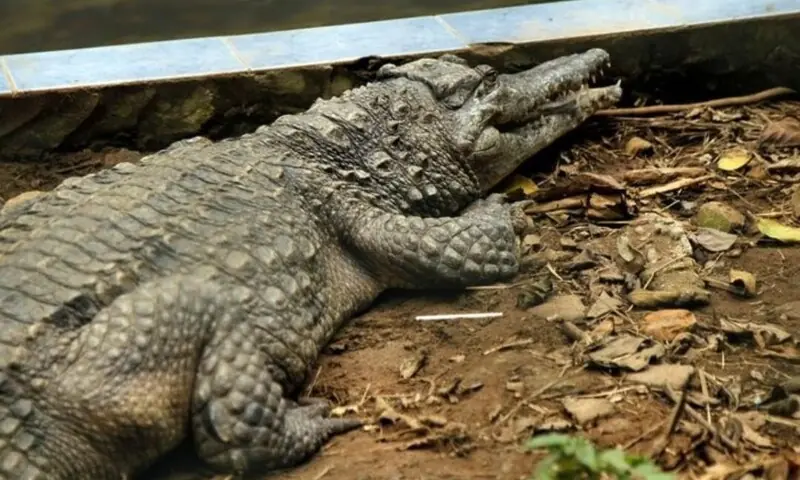
Israel has taken significant steps towards implementing a highly controversial proposal by National Security Minister Itamar Ben-Gvir, which involves surrounding prisons holding Palestinian detainees with crocodile-filled moats. According to Hebrew media reports, Environmental Protection Minister Idit Silman recently signed an order reclassifying crocodiles as 'managed wild animals,' allowing government bodies, including the Israel Prison Service (IPS), to keep them in their facilities under specified conditions.

This legal change comes after objections from the Israel Nature and Parks Authority, which had previously blocked the project. Known colloquially as the 'crocodile prison' by local media, Ben-Gvir first unveiled his proposal about six months ago, calling for a high-security prison encircled by waterways filled with crocodiles to deter escape attempts.

The IPS has already begun examining the feasibility of the project, including visits to zoos to study crocodile handling and care requirements. Officials believe that such moats could reduce guarding costs while enhancing security measures. According to Channel 7, a young crocodile can cost around $8,000, with an adult potentially costing up to $20,000.

While the IPS has not yet commented on the reported plan or indicated where it might be implemented, the move represents a significant step towards its potential realization. The proposal aims to address security concerns by deterring escape attempts and reducing the need for extensive human guard presence.

However, the plan faces criticism from Palestinian and Israeli rights groups who argue that conditions in Israeli prisons already involve starvation, torture, and medical neglect, leading to the deaths of dozens of detainees. These organizations are likely to oppose any further measures they perceive as inhumane or exacerbating existing issues.

The implementation of such a project would mark a dramatic shift in how Israel handles Palestinian detainees and could have significant implications for both security and human rights within the Israeli prison system.