Key Takeaways
- A study by Oxford University suggests salsa dancing can improve mental health.
- Participants showed reduced depressive symptoms and social anxiety after eight weeks.
- The research involved 121 young adults with mild to moderate depression and anxiety.
Researchers at the University of Oxford have found that taking up salsa classes can significantly boost mental well-being, particularly among young people. The study, which was conducted in collaboration with the Oxford Health NHS trust, involved 121 participants aged between 18 and 35 years who were experiencing mild to moderate depression and anxiety.
The participants were randomly assigned to either a salsa dance programme or a control group that did not receive any intervention. After eight weeks of regular salsa classes, those in the dance group reported reduced symptoms of depression and social anxiety compared to their peers in the control group.
Dr. Sarah Thompson, lead researcher from the University of Oxford, explained: 'Our findings suggest that engaging in salsa dancing can be an effective complementary therapy for young adults dealing with mild to moderate mental health issues.' She added that the physical activity involved in dance could contribute to improved mood and social interaction, which are key factors in managing depression and anxiety.
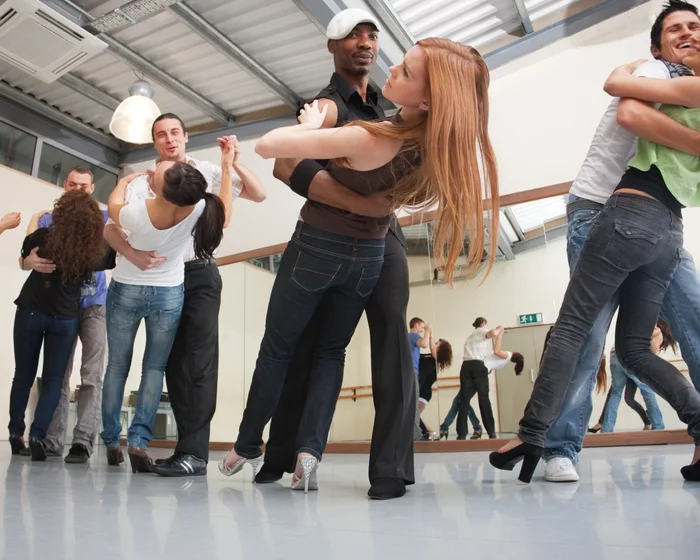
Salsa is a popular form of dance, combining elements from Caribbean, Spanish, and African musical styles. It involves intricate footwork and partner work, requiring coordination and rhythm. The study highlights the potential benefits beyond physical health, such as enhanced cognitive function and social skills development.
While the research focuses on young adults, experts suggest that the positive effects of salsa dancing could extend to other age groups. Dr. James Wilson from the Oxford Health NHS trust commented: 'The results are promising and could be applied in various settings, including schools and community centres, to support mental health initiatives.'
The study's findings were published in a peer-reviewed journal, adding credibility to its conclusions. However, researchers caution that further studies are needed to explore long-term effects and the broader applicability of salsa dancing as a therapeutic tool.
Dr. Thompson concluded: 'While our results are encouraging, more research is required to fully understand the mechanisms behind these benefits and how they can be integrated into existing mental health strategies.'
'Our findings suggest that engaging in salsa dancing can be an effective complementary therapy for young adults dealing with mild to moderate mental health issues.'
Dr. Sarah Thompson, Lead researcher from the University of Oxford
'The results are promising and could be applied in various settings, including schools and community centres, to support mental health initiatives.'
Dr. James Wilson, Oxford Health NHS trust expert