Key Takeaways
- NBC and CNN declined to broadcast Donald Trump's White House address.
- CBS, Fox News and MSNBC aired significant portions of the speech live.
- Some ABC station affiliates chose to air the speech despite network policy.
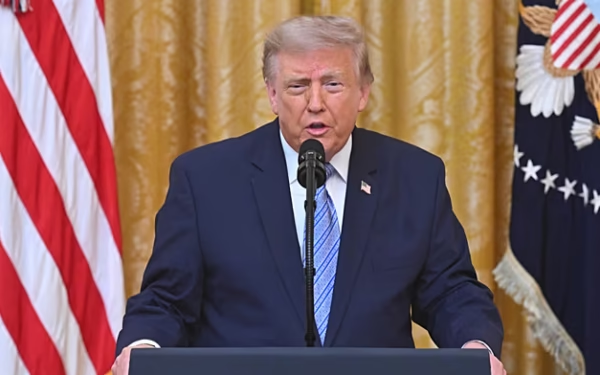
US television networks diverged in their coverage of former President Donald Trump’s election-focused speech on Thursday night. While major networks such as CNN, ABC and NBC opted not to broadcast the address live, other channels including CBS, Fox News and MSNBC chose to air significant portions of it.
According to reports from The Guardian, CNN and ABC did not run the speech as a must-run broadcast. However, some local ABC station affiliates, notably the Washington DC station owned by Sinclair, decided to air parts of the address. This decision was in line with the network’s policy but went against the stance taken by its parent company.
NBC, which has been critical of Trump's rhetoric and policies throughout his presidency, did not broadcast the speech live. Similarly, CNN, known for its impartial reporting style, also refrained from airing it. These decisions reflect the networks' commitment to maintaining editorial integrity and avoiding partisan content during election periods.
In contrast, Fox News and MSNBC, both known for their conservative leanings, aired significant portions of the address. Fox News, in particular, has a history of supporting Trump’s claims and narratives, making its decision to broadcast the speech unsurprising. MSNBC, while more centrist than Fox, also chose to air parts of the speech, indicating a broader trend among some media outlets to cover controversial political figures.
The split coverage highlights the ongoing debate within US media about the role of broadcasting in shaping public opinion and the need for networks to balance their editorial stances with the demands of viewers. This decision-making process is crucial as it can influence how information is disseminated during politically charged events.
Local ABC station affiliates, such as those owned by Sinclair, faced a dilemma between following network policy and catering to local audiences who may have been interested in hearing Trump’s address. These stations chose to air parts of the speech, reflecting their commitment to serving their communities even when it conflicts with corporate directives.
The decision not to broadcast the speech live by major networks like CNN and ABC underscores a broader trend towards avoiding partisan content during election periods. This approach aims to maintain objectivity and prevent the amplification of controversial narratives that could sway public opinion in sensitive political climates.