Key Takeaways
- Nadeem Mahbub, Federal Secretary of Education, addressed the National School Meal Conference.
- The conference was organized by Allah Walay Foundation at a local hotel.
- Mahbub emphasized the importance of education and school meals for children's well-being.
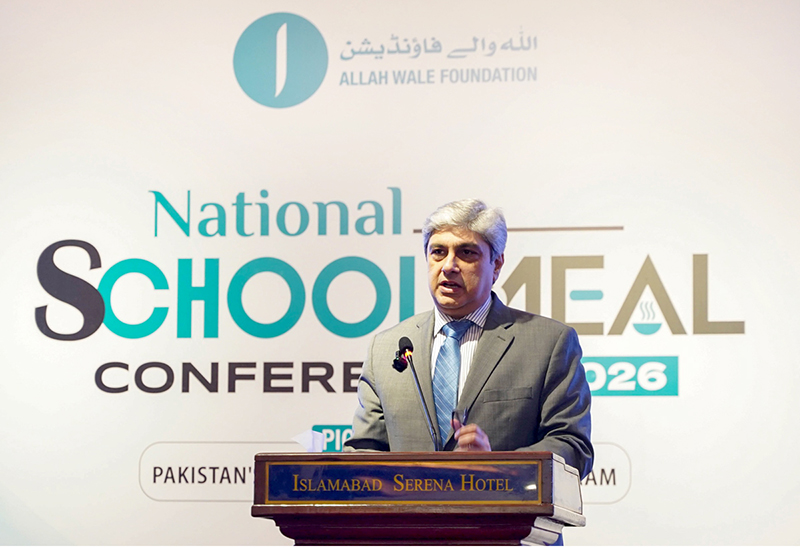
Federal Secretary Ministry of Federal Education and Professional Training Nadeem Mahbub recently addressed the National School Meal Conference 2026, organized by Allah Walay Foundation at a local hotel. The conference aimed to discuss strategies to improve nutrition among schoolchildren, which is crucial for their overall development.
Mahbub highlighted the significance of providing nutritious meals to children in schools as part of the government's broader education reform agenda. He stressed that adequate nutrition plays a vital role in enhancing academic performance and ensuring that students are better equipped to learn effectively.
During his address, Mahbub also underscored the need for collaboration between various stakeholders, including the government, non-governmental organizations (NGOs), and private sector entities, to ensure the success of such initiatives. He called for a comprehensive approach that addresses both immediate nutritional needs and long-term educational outcomes.
وزیرِ اعلیٰ پنجاب مریم نواز شریف کی ہدایات پر مون سون 2026 کے پیشِ نظر صوبہ بھر میں جامع پیشگی انتظامات مکمل کر لیے گئے ہیں۔ ارلی وارننگ سسٹم، ریسکیو آپریشنز، نکاسیٔ آب، فلڈ مانیٹرنگ اور ضلعی اداروں کے مربوط اقدامات کے ذریعے شہریوں کے جان و مال کے تحفظ اور ہنگامی صورتحال سے مؤثر… pic.twitter.com/FjwjpSGZkG
— Government of Punjab (@GovtofPunjabPK) July 15, 2026
The conference brought together education policymakers, nutritionists, and representatives from civil society organizations to share best practices and explore innovative solutions. Participants discussed various models of school meal programs and their impact on student health and academic performance.
While the focus was primarily on improving school meals, Mahbub also touched upon broader educational reforms. He emphasized that a holistic approach is necessary to address the root causes of undernutrition among children in Pakistan. This includes improving access to quality education, addressing gender disparities, and ensuring equitable distribution of resources.
The Federal Secretary's remarks came at a time when Pakistan faces significant challenges in its education sector. According to recent reports, only 2.0% of GDP is allocated to education, with Rs66.4 billion dedicated as a recurring grant to the Higher Education Commission. This figure pales in comparison to the Rs838 billion allocated for the Benazir Income Support Programme.
Critics argue that such underinvestment undermines efforts to achieve inclusive and equitable quality education for all by 2030, as outlined in the United Nations Sustainable Development Goal (SDG) 4. They point out that with a national literacy rate of just 63%, and nearly 26 million children out of school, particularly girls, Pakistan has a long way to go.
Mahbub's address at the conference underscores the government's commitment to addressing these issues through targeted interventions. However, many stakeholders remain concerned about the sustainability of such initiatives without substantial increases in funding and a more robust policy framework.