Key Takeaways
- The UK Foreign Office figures reveal reductions of up to 90% in bilateral aid for some African countries.
- These cuts are detailed in the department’s annual report, affecting support over the next three years.
- Critics argue that these changes send a ‘global message’ about the UK's reduced role on the international stage.
The UK Foreign Office has disclosed significant reductions in bilateral aid to African countries, with some nations facing cuts of up to 90% over the next three years. This information is detailed in the department’s annual report, which provides a comprehensive breakdown of how the reduced aid budget will impact individual countries.
According to the report, these drastic reductions are part of broader changes in UK foreign policy, aimed at aligning with new priorities and global challenges. The cuts reflect a shift away from traditional bilateral support towards more strategic partnerships and multilateral initiatives.
Critics have expressed concern over the implications of these aid cuts. Labour party officials argue that such reductions send a ‘global message’ about the role the UK wants to play on the international stage, potentially diminishing its influence in key regions like Africa. They contend that this move could undermine efforts to address critical issues such as poverty and climate change.
The annual report outlines specific countries affected by these cuts, including Nigeria, Kenya, and Ghana. These nations are among those receiving substantial reductions in aid, with some facing complete cessation of bilateral support from the UK. The report also highlights that other African countries may see smaller but still significant decreases in funding.
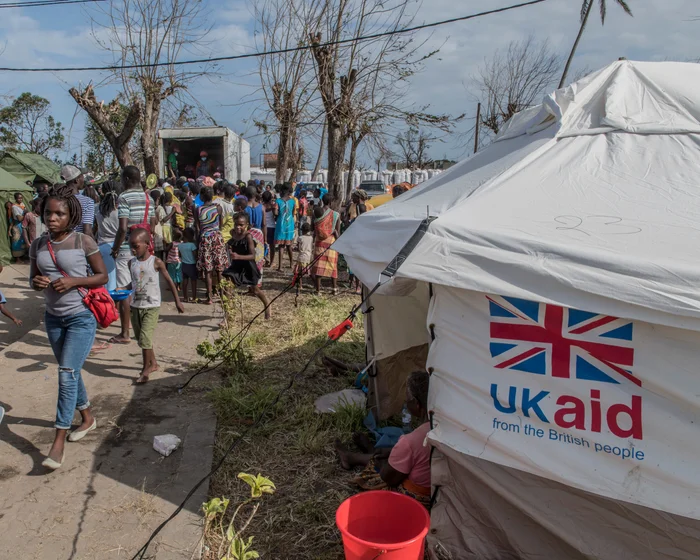
While the Foreign Office maintains that these changes are necessary to focus resources on more strategic areas, critics argue that such a drastic reduction could have severe consequences for recipient nations. They point out that many of these countries rely heavily on UK aid for development projects and humanitarian assistance.
The report also notes that while some African countries will see significant cuts, others may benefit from increased support through multilateral channels or new partnerships. However, this does not mitigate the impact on those facing substantial reductions in bilateral funding.
In response to these revelations, opposition parties have called for a review of the aid policy and its potential long-term effects. They argue that maintaining consistent levels of aid is crucial for sustainable development and regional stability.