Key Takeaways
- Punjab government's ban on wheat movement has increased prices in Khyber Pakhtunkhwa.
- The Pakistan Flour Mills Association claims the ban fuels illegal inter-provincial smuggling.
- PFMA demands Prime Minister Shahbaz Sharif intervene to ensure free movement of wheat.
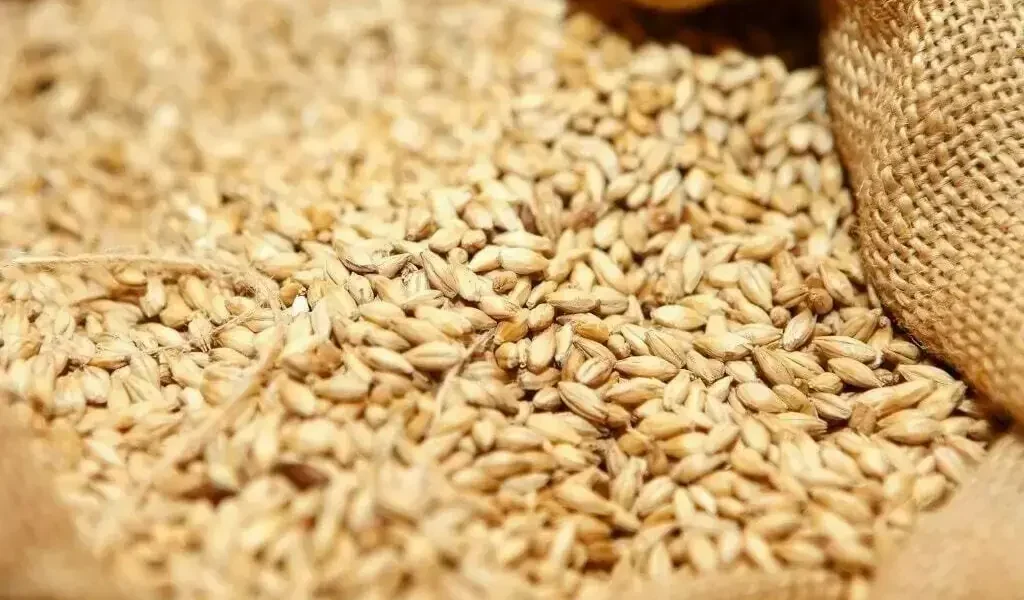
The Pakistan Flour Mills Association (PFMA) has criticized Punjab’s ban on the movement of wheat, stating that it has distorted the free market and fueled inter-provincial smuggling. The association claims this ban is illegal and has caused food insecurity in parts of Pakistan.
Badar ud Din Kakar, central chairman of PFMA, said at a press conference in Karachi Press Club (KPC) on Wednesday that the ban has increased flour prices in Khyber Pakhtunkhwa (KP), with No.2.5 flour priced at Rs13,000 per 100kg bag compared to Rs11,800 in Punjab.
According to PFMA, Sindh government’s crackdown on hoarders of wheat and flour has disrupted supplies to flour mills in the province. Chaudhry Muhammad Yousuf, former central chairman of PFMA, stated that the wheat loading to mills had completely stopped, leading to a potential shortage within 10 days.
Kakar emphasized that Punjab produces 22 million tonnes annually of wheat against its own requirement of 15 million tonnes. He argued that despite this surplus, the province has continued to restrict inter-provincial movement for two consecutive years, stating, 'This is a demand-and-supply-driven wheat and flour crisis.'
The PFMA central chairman demanded Prime Minister Shahbaz Sharif’s intervention to ensure free movement of wheat nationwide, asserting, 'Food security should not remain limited to Punjab alone; it is a nationwide subject.'
Muhammad Naeem, PFMA KP zone chairman, highlighted that the supply of wheat from Punjab to KP has not reduced but is ensured through inter-provincial smuggling after paying heavy bribes at check posts. He added, 'This has caused a hike in flour price in KP and contributing to inflation nationwide.'
Kakar further explained that while KP’s annual requirement for wheat stands at 5.5 million tonnes against its local production of 1.5 million tonnes, the province overcomes a shortfall of around 4 million tonnes by buying from Punjab. He concluded, 'People are bearing the cost of the ban on wheat movement from Punjab to other provinces.'
The ban is illegal. The ban has caused food insecurity in the country.
Badar ud Din Kakar, Central chairman, PFMA
This is a demand-and-supply-driven wheat and flour crisis.
Badar ud Din Kakar, Central chairman, PFMA