Key Takeaways
- Scientists have discovered a single molecule produced by queen naked mole rats that prevents other females from breeding.
- The molecule, isopropyl myristate, is found in the reproductive organs of queens and can suppress fertility when sprayed on other females.
- Exposure to this scent leads to hormonal changes but its exact detection mechanism remains unknown.
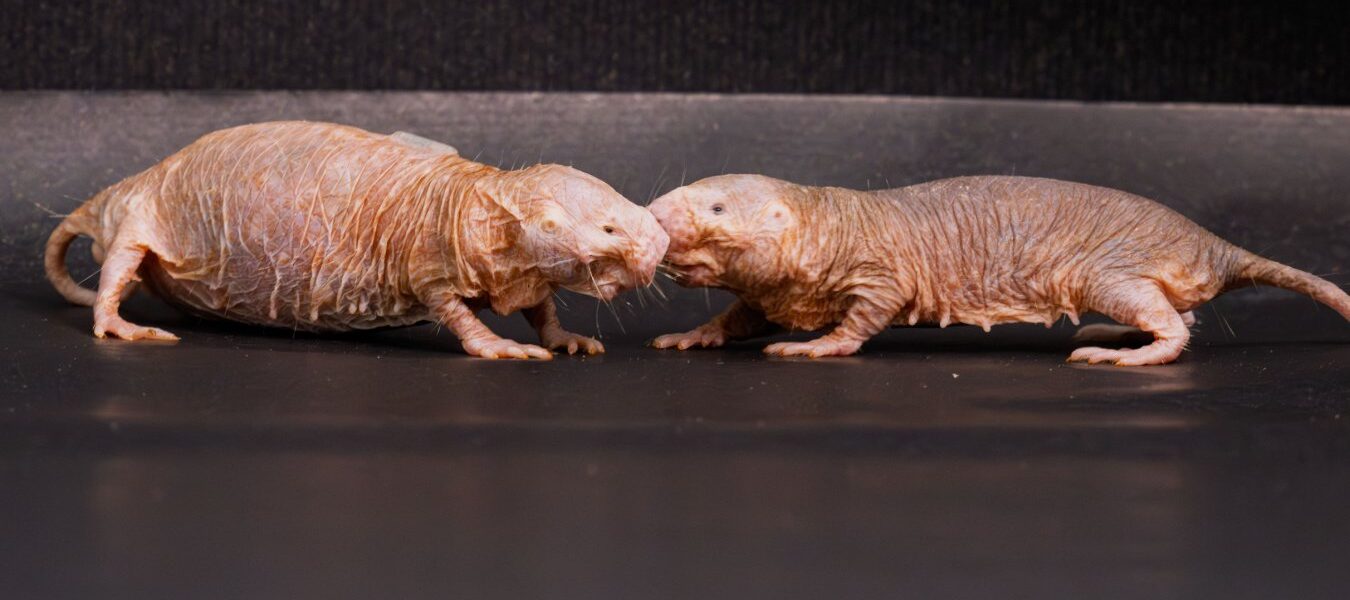
Scientists have uncovered a fascinating biological phenomenon among naked mole rats, where queen individuals use a unique chemical signal to maintain their dominance over the colony. The research, conducted by Gary Lewin and his team at the Max Delbrück Center in Berlin, reveals that isopropyl myristate, a molecule produced exclusively by queens, acts as a powerful contraceptive for other females within the colony.
Naked mole rats exhibit a social structure similar to bees and ants, with a single queen leading each colony. While it was previously thought that the queen's larger size and aggression might explain her long reign, Lewin’s team found this explanation unsatisfactory. Instead, they focused on identifying the 'mole rat bouquet,' or the scent molecules present in their environment.

Through extensive experiments comparing the scents of hundreds of naked mole rats, the researchers identified isopropyl myristate as the key molecule. This finding was further validated when the team sprayed the molecule into cages containing male and female pairs; none of the females became pregnant. In contrast, without the application of isopropyl myristate, almost all the females in the control group did become pregnant.
To test the impact of this molecule on colony dynamics, the researchers removed a queen from her colony and applied isopropyl myristate daily. This intervention led to peaceful coexistence among the remaining animals for three months; no fights for succession occurred, and none of the high-ranking females started breeding. However, when the application ceased, within a week, fighting resumed, and after about three weeks, one female became pregnant—indicating her new status as queen.
The team also observed that exposure to isopropyl myristate altered hormone levels in the animals, specifically affecting progesterone and prolactin. Despite these findings, the exact mechanism by which this molecule influences behavior remains unclear. Lewin notes that understanding how naked mole rats detect and respond to such chemical signals could provide valuable insights into broader biological processes.
The research has garnered significant attention from other scientists in the field. Markus Zöttl at Linnaeus University in Sweden described it as 'impressive and important,' while Chris Faulkes from Queen Mary University of London acknowledged its significance but highlighted that many questions remain unanswered, such as how animals detect these chemical signals and how they interact with behavioral interactions.
Isopropyl myristate’s volatility—its ability to evaporate into the air—suggests a complex interplay between scent and behavior in naked mole rat colonies. This discovery not only sheds light on the social dynamics of these unique creatures but also opens up new avenues for research into chemical communication among animals.