Key Takeaways
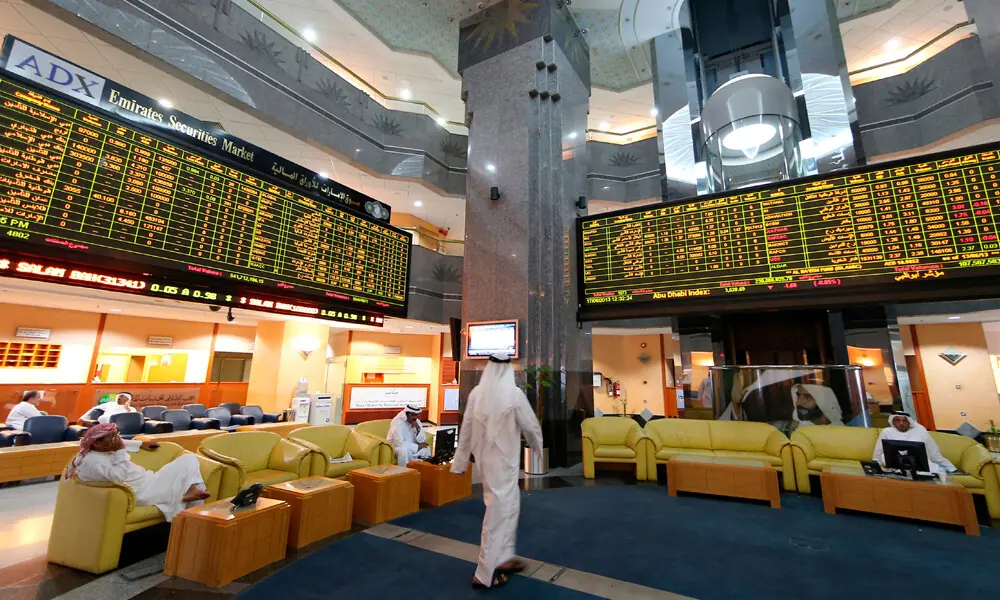
- Most Gulf stock markets closed lower on Thursday, extending previous session’s losses.
- Rising geopolitical tensions between the U.S. and Iran weighed heavily on investor sentiment.
- Saudi Arabia's benchmark index lost 0.4%, with key companies like Al Rajhi Bank declining.
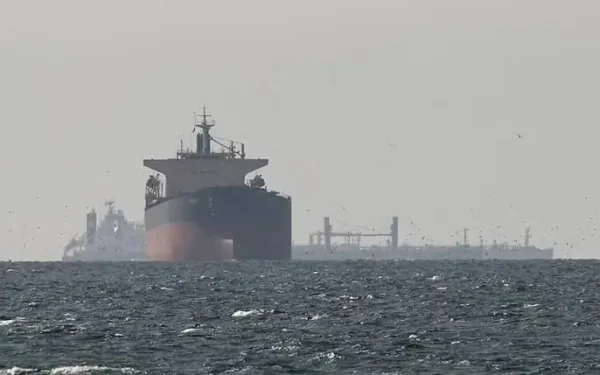
Most Gulf stock markets closed lower on Thursday, extending losses from the previous session as renewed hostilities between the United States and Iran dampened investor confidence. The tensions escalated after Iranian armed forces struck U.S. military infrastructure in neighbouring Gulf states following attacks by Iranian forces on three tankers in the region.
The U.S. military announced its latest strikes were aimed at maintaining the Strait of Hormuz open, a move that followed President Donald Trump’s statement suggesting the interim ceasefire with Iran was over. Brent crude futures saw an increase of 53 cents or 0.68%, reaching $78.55 per barrel by 1148 GMT.
Daniel Takieddine, co-founder and CEO of Sky Links Capital Group, warned that rising geopolitical tensions could dampen risk appetite and create downside risks across some Gulf markets. He noted that any further escalation could weigh on market sentiment and encourage caution among investors. However, he added that upcoming quarterly earnings from flagship companies might help guide the direction of the market.
In Saudi Arabia, the benchmark stock index fell 0.4%, with Al Rajhi Bank declining by 0.4%. In Dubai, the main share index dropped 0.2%, while Emaar Properties and Air Arabia saw declines of 0.7% and 0.6% respectively. Abu Dhabi’s benchmark index remained flat, but shares of Emirates Telecommunications Group reversed early losses to end up 0.8%.
In Qatar, the stock market dipped 0.8%, with Qatar National Bank down by 0.7%. Outside the Gulf region, Egypt's blue-chip index gained 0.5%. The performance of other markets varied: Saudi Arabia fell 0.4% to 10,808; Abu Dhabi closed flat at 9,882; Dubai eased 0.2% to 5,991; Qatar dropped 0.8% to 10,091; Egypt was up 0.5% to 52,312; Bahrain lost 0.2% to 2,010; Oman added 0.1% to 7,644; and Kuwait closed flat at 9,090.
Market analysts suggested that while geopolitical tensions remain a concern, upcoming quarterly earnings from key companies could provide some stability. However, they cautioned that any further escalation in the conflict could significantly impact investor sentiment.