Key Takeaways
- Federal Minister for Finance and Revenue, Senator Muhammad Aurangzeb, announced the establishment of a dedicated SME Finance Task Force.
- The task force will be led by the State Bank of Pakistan with representation from various stakeholders including SMEDA and PBA.
- Senator Muhammad Aurangzeb emphasized the need for an industry-wide effort to increase lending to SMEs.
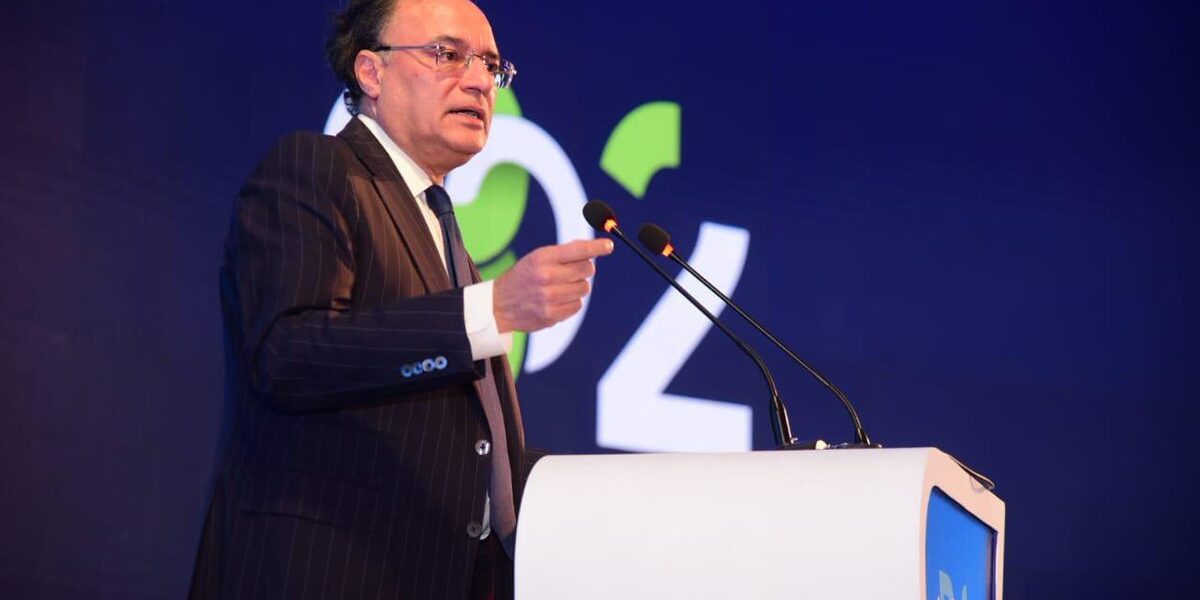
Federal Minister for Finance and Revenue, Senator Muhammad Aurangzeb, has announced the establishment of a dedicated Task Force for Small and Medium Enterprises (SME) finance. Speaking at the Pakistan Banking Summit 2026 in Karachi, Senator Muhammad Aurangzeb highlighted the importance of expanding access to finance for SMEs as a critical component of achieving sustainable economic growth.
The task force will be led by the State Bank of Pakistan (SBP), with senior representation from the Pakistan Banks' Association (PBA), Small and Medium Enterprises Development Authority (SMEDA), chambers of commerce and industry, and the Ministry of Finance. The goal is to recommend practical measures that can improve SME financing and broaden access to credit across the banking industry.
Senator Muhammad Aurangzeb stressed that increased lending to SMEs, exporters, agriculture, manufacturing, construction, housing, and information technology sectors is mission critical for sustainable economic growth. He emphasized that this effort must be an industry-wide endeavor rather than solely relying on a few institutions.
Highlighting Pakistan's improving macroeconomic outlook, Senator Muhammad Aurangzeb noted the economy concluded the last fiscal year on a strong footing, supported by a primary surplus and the lowest fiscal deficit in recent years. Improved debt indicators, sustained current account performance, record remittance inflows, growing foreign exchange reserves, and renewed access to international capital markets through successful sovereign debt issuances were also mentioned.
The Federal Budget FY27 has introduced significant taxation and financing measures aimed at improving competitiveness, encouraging investment, supporting exporters, agriculture, manufacturing, and providing relief to the salaried class. The Finance Minister reaffirmed the Government's commitment to introducing a Medium-Term Tax Strategy to provide greater certainty and predictability for businesses.
The Finance Minister also highlighted efforts to modernize tax administration through a technology-driven operating model aimed at minimizing human intervention, enhancing transparency, and strengthening trust between taxpayers and the tax administration. The government is committed to expanding risk-sharing and partial credit guarantee schemes, particularly for SMEs and small farmers, while continuing targeted financing support for export-oriented sectors.
Senator Muhammad Aurangzeb further emphasized the need to diversify Government borrowing through non-bank financing channels and deepen domestic debt capital markets to reduce reliance on the banking sector and create greater space for private sector lending. The government's broader financial sector reform agenda includes privatization, climate finance, digital assets, and financial innovation.
The recently enacted Virtual Asset Act 2026 has established a modern regulatory framework for digital assets, and the government is actively exploring innovative financing instruments, including the tokenization of sovereign debt.