Nearly 200 nations reached agreements at a United Nations biodiversity summit held in Armenia.
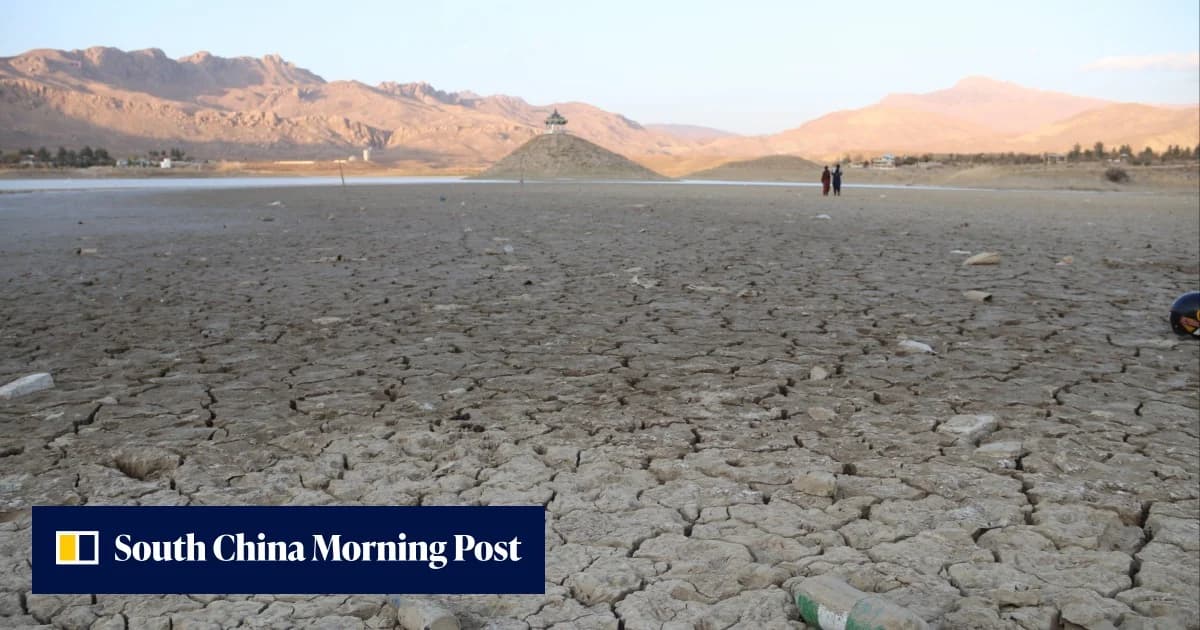
The Cop17 summit aimed to revive a global commitment to halt and reverse the destruction of nature by 2030. The United Nations stated that progress was insufficient to meet the 2030 goals, which include protecting 30 per cent of the world's land and oceans, managing invasive species, and addressing pollution.
Monique Barbut, the French Ecological Transition Minister, claimed the outcome was “not commensurate” with the crisis engulfing the natural world.
Barbut added, “Nature will not wait for the pace of our negotiations.” Juliette Landry noted that the summit involved significant push and pull in every direction, making it difficult to achieve accepted outcomes. Guido Broekhoven said the agreement represents a positive outcome and, despite weaknesses regarding harmful subsidies, it constitutes a step forward.
An Lambrechts observed that while the decision text uses weak terms, Cop17 generated important political momentum to address harmful financial incentives like subsidies. Gabriela Blatter expressed regret over instances where politics have challenged or constrained the uptake of scientific evidence.
Blatter stated, “Our delegations fully respect every state’s right to safeguard national interest but science is not negotiable.” Pakhi Das claimed that by delaying essential decisions for two years, parties have ensured the fund remains empty until that time.
Hambardzum Matevosyan remarked, “And that’s it. Perfect,”. Ecuador won a secret vote to host the next biodiversity talks in 2028, defeating the rival candidate Panama.