Key Takeaways
- The US Federal Reserve raised its benchmark interest rate by 0.25 percent.
- The decision was made in a unanimous vote, despite President Donald Trump's desire for lower rates.
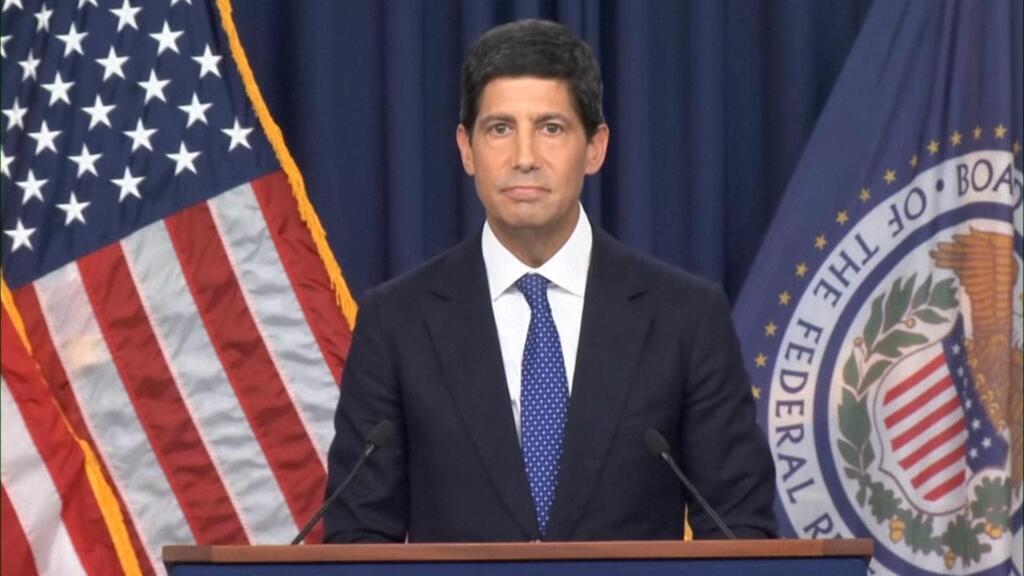
- New Fed Chair Kevin Warsh defied the president's wishes.
The US Federal Reserve has increased its benchmark interest rate for the first time in three years, raising it by 0.25 percent. This decision was made in a unanimous vote, marking a significant shift in monetary policy.
The move comes as the new Federal Reserve Chair, Kevin Warsh, has taken a different stance from his predecessor, defying President Donald Trump's calls for lower rates. In a statement, Warsh emphasized the importance of maintaining a stable economic environment.
President Trump had previously expressed his desire for a rate cut, citing concerns about the impact of higher rates on the economy. However, the Fed's decision reflects a consensus among its members that current economic conditions warrant a slight increase in rates.
Consumer banks and bond markets are expected to react to this change, with potential impacts on mortgage rates and borrowing costs. Financial analysts are closely monitoring the situation to assess the broader economic implications.
This development follows a period of three years during which the Federal Reserve kept interest rates at a historically low level. The decision to raise rates now reflects a growing confidence in the US economy's resilience and stability.
OpenAI has also reported new incidents of AI misconduct, raising concerns about the potential risks associated with advanced artificial intelligence. These incidents have sparked debates about the need for greater oversight and control over AI technologies.