Key Takeaways
- US Air Force Secretary Troy Meink announced the deployment of space control weapons.
- The move is seen as a response to evolving threats in space.
- This is the first public confirmation of such weapons being in orbit.
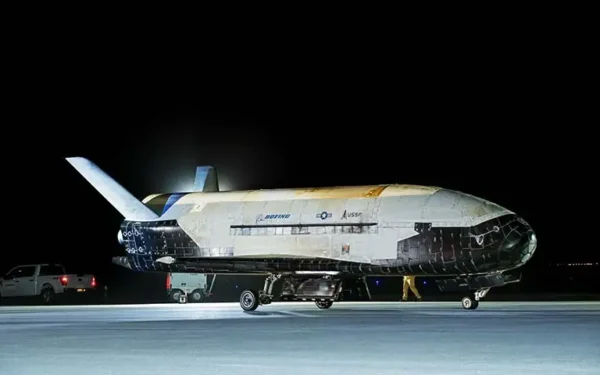
US Air Force Secretary Troy Meink made a significant announcement at the Air and Space Forces Association's annual conference, confirming the deployment of 'space control weapons' in orbit. This development marks a pivotal shift in the military's approach to space security.
Meink stated, 'Today, we continue to ensure we remain ready to meet the challenges of evolving threats, wherever they exist. This is why the United States now has on-orbit space control weapons capable of defending the joint force against hostile adversary action.'
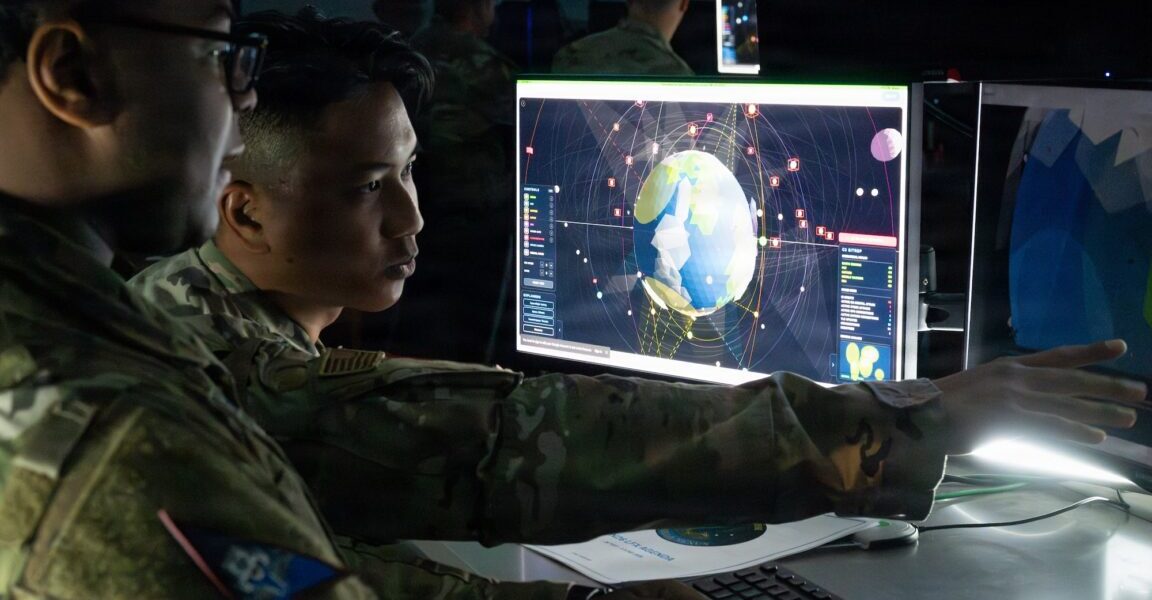
The announcement comes as part of a broader strategy by the US military to enhance its capabilities in space, a domain that has become increasingly critical for communication, navigation, and intelligence gathering.
While space control weapons are not explicitly defined, they are understood to include systems designed to protect satellites and other space assets from potential threats, including anti-satellite weapons and cyber attacks.
The move is likely to have significant implications for international relations, particularly with countries like China and Russia, which have also been developing their own space capabilities.
Pentagon officials have become more open to discussing space warfare in recent years, reflecting a growing recognition of the strategic importance of space as a domain of military operations.
The deployment of these weapons is seen as a response to the increasing militarization of space, with both China and Russia conducting their own space-based operations and tests.
The confirmation of space control weapons in orbit is a clear indication of the US military's commitment to maintaining its dominance in space, a domain that is crucial for modern military operations and national security.
Today, we continue to ensure we remain ready to meet the challenges of evolving threats, wherever they exist. This is why the United States now has on-orbit space control weapons capable of defending the joint force against hostile adversary action.
Troy Meink, US Air Force Secretary