Key Takeaways
- US President Donald Trump and Chinese President Xi Jinping extended their trade truce.
- Orders for non-sensitive goods may shift back to mainland China, affecting Taiwanese manufacturers.
- China's dominance in rare-earth supply chains remains a concern for US economic stability.
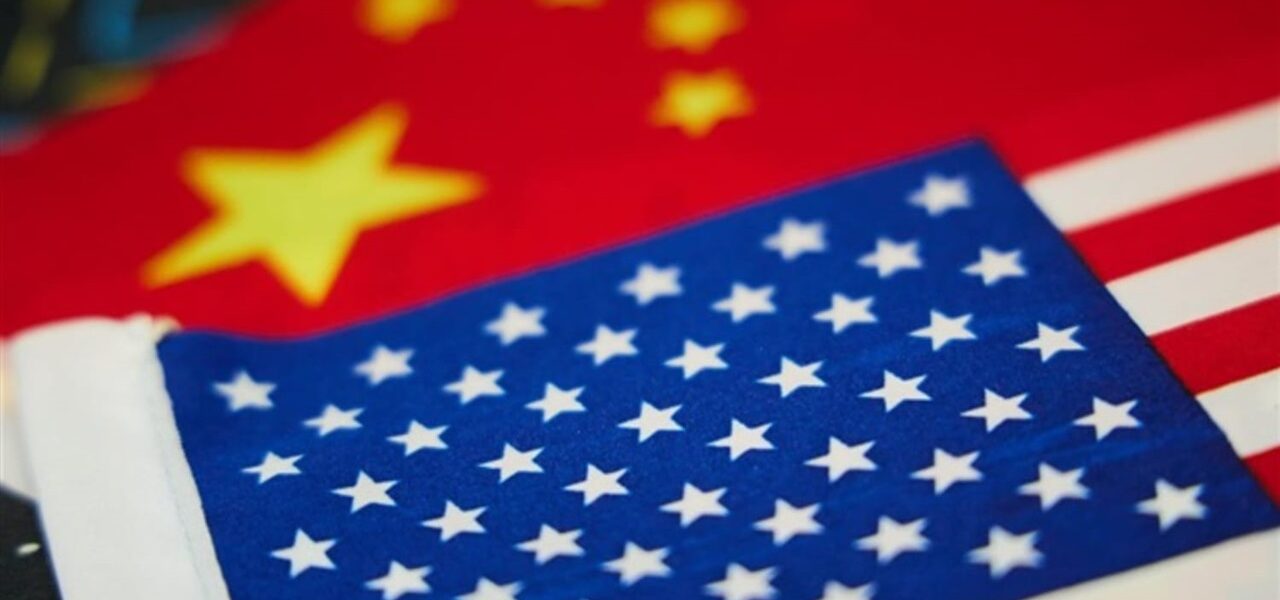
Following a summit between US President Donald Trump and Chinese President Xi Jinping from May 13 to 15, 2026, the two leaders agreed to extend the current trade truce. This development is expected to redirect orders for non-sensitive goods back to mainland China, potentially impacting the order volumes for Taiwanese manufacturers.
The extension of the trade truce was announced during President Xi's invitation to visit the United States from September 23 to 25, 2026, further solidifying the agreement. The move is seen as a strategic step to stabilize economic ties between the two nations.
According to DigiTimes, the trade truce extension could lead to a significant shift in manufacturing orders, as companies may prefer to source non-sensitive goods from China to avoid potential disruptions in supply chains. This shift could have a direct impact on the business models of Taiwanese manufacturers who have been relying on the current trade environment.
However, the extension of the trade truce does not address the underlying issue of China's dominance in rare-earth supply chains. The US remains concerned about its dependence on Chinese critical minerals, which are essential for various high-tech industries. This concern is highlighted in a separate DigiTimes report, which notes that China's control over rare-earth supplies remains a key pressure point in US-China economic relations.
The US is actively seeking to diversify its supply chains and reduce its reliance on Chinese critical minerals. However, the current trade truce extension may temporarily ease tensions and allow for a more stable economic environment. This stability could encourage businesses to resume operations in China, despite ongoing concerns about rare-earth supply.
For Taiwanese manufacturers, the extension of the trade truce could present both challenges and opportunities. While the shift in orders back to China may impact their order volumes, it also provides a chance to reassess their business strategies and potentially explore new markets or partnerships.
The trade truce extension is seen as a positive step towards economic stability, but it does not resolve the broader issues surrounding China's dominance in critical minerals. The US and China will continue to engage in negotiations to address these concerns and find a balanced approach to economic cooperation.
In conclusion, the extension of the US-China trade truce is likely to have significant implications for manufacturing orders and supply chains. While the immediate impact on Taiwanese manufacturers is uncertain, the long-term effects will depend on the ongoing negotiations and the resolution of critical mineral supply issues.