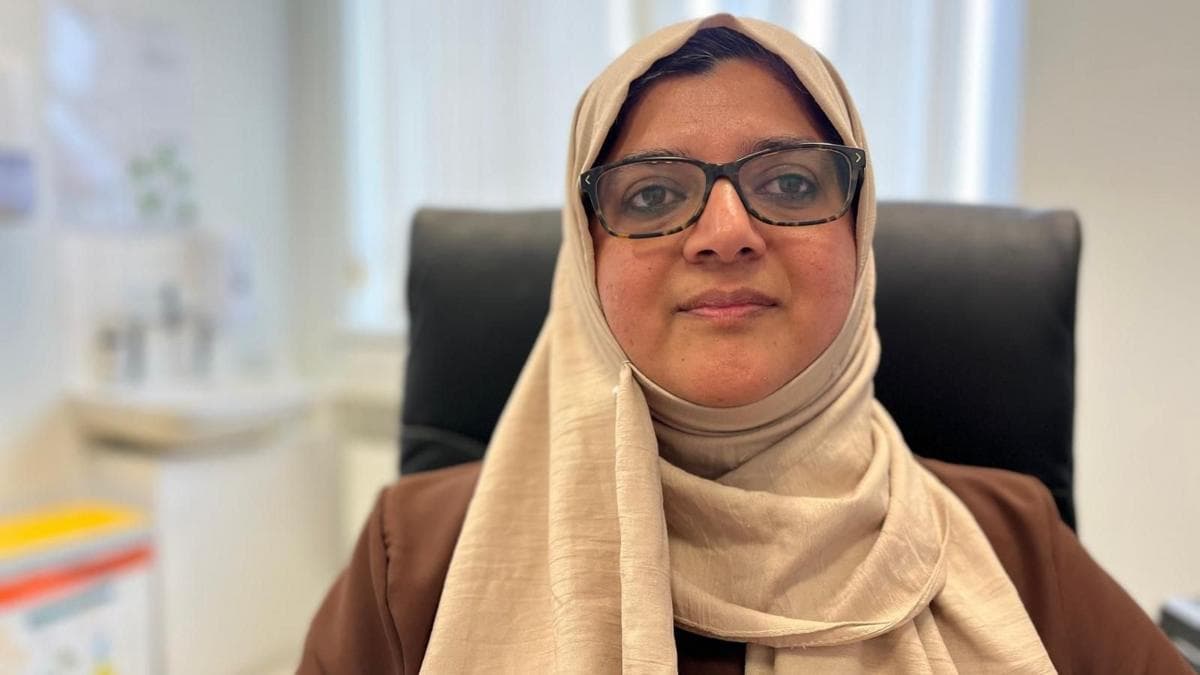
Pressure to provide more GP appointments makes it difficult to include checks for gynaecological cancers within the standard ten-minute slots. Dr Amara Naseem's clinics frequently run over time because a thorough medical history and internal examinations require approximately twenty minutes.
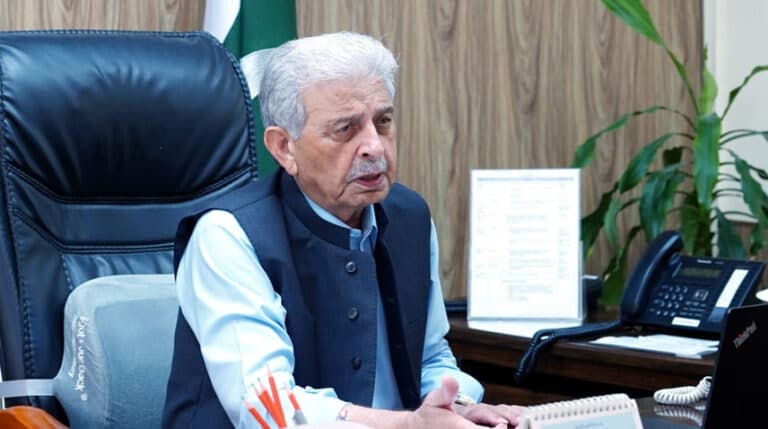
The workload has increased while the number of general practitioner posts in Wales has 'almost flat-lined,' according to Dr Kathrin Thomas. A reduction in the number of practices in Dr Amara Naseem's local area means she has taken on an increased patient load.
Concerns exist that women might delay raising gynaecological symptoms or attending screenings if appointments feel rushed, painful, or are poorly managed. About half of the one hundred GPs surveyed across Wales reported that restricted consultation time represented a major worry.
Furthermore, a third of the surveyed GPs expressed worry regarding 'over-referring' individuals for additional testing to rule out cancers. Currently, ninety-five percent of patients placed on the suspected cancer pathway are later informed they do not have cancer.
Lowri Griffiths stated that the rates of incidence and mortality for gynaecological cancers in Wales were higher than the UK average. Dr Amara Naseem stated that the Welsh government's pressure was to "offer more appointments to the patient, rather than about the quality of the treatment."
Dr Kathrin Thomas noted a wide disparity in cancer experiences between women residing in more affluent regions and those in poorer areas. The Welsh government has stated its commitment to strengthening primary care as the foundation of the NHS in Wales.
The Welsh government is increasing investment in primary care and plans to recruit up to one hundred additional GPs. Maria Bailey, a fifty-five-year-old resident of Pencoed, Bridgend county, was diagnosed with a grade two cancer and a four-centimetre tumour external to her cervix.
Maria subsequently underwent chemotherapy, radiotherapy, and brachytherapy across centres in Swansea and Cardiff. Continuity of care remains a factor in cancer outcomes, with Dr Kathrin Thomas stating there is a twenty percent lower chance of death if the same team manages a patient.