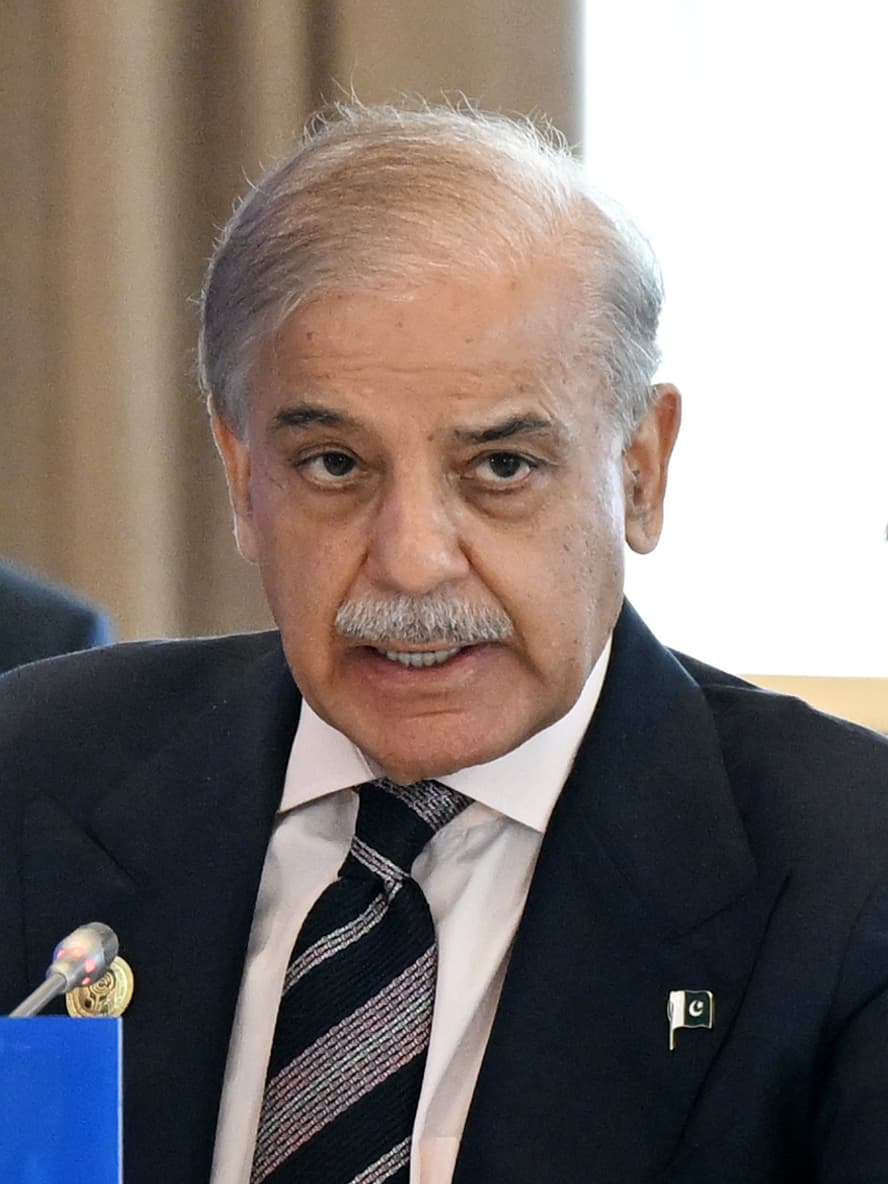
Prime Minister Shehbaz Sharif approved a plan allowing duty-free imports of livestock for specialized rearing farms to boost exports and restructure the sector. The Prime Minister directed the formulation and execution of livestock sector reforms, incorporating input from private-sector experts.
These specialized farms must be established for livestock intended for export, where high-yield, superior-breed livestock will be imported and reared. Furthermore, introducing a modern livestock tagging system will ensure that only livestock reared on these designated farms are exported.
The sector requires reorganization on a corporate model to achieve modernisation, a process that must utilise expertise from private sector specialists. Currently, livestock constitutes over 60% of the nation's agricultural sector.
Pakistan currently holds approximately 245 million livestock, valued at an estimated Rs 5.5 trillion. The livestock sector contributes 14.97% to the national economy and 63.6% to the agricultural economy.
Annual production figures show the sector yields about 74.69 million tons of milk and 6.31 million tons of meat. Around 8 million rural families in the country are associated with livestock farming.
Meat exports reached approximately $530 million during the 2025-26 fiscal year. The majority of current meat exports are directed towards Gulf nations, including the UAE, Saudi Arabia, Kuwait, and Qatar.
Malaysia, Saudi Arabia, and China represent significant prospects as expanding markets for meat exports. Government efforts to boost exports include a national program for animal disease surveillance, protection, and animal traceability.
The government also plans to establish Foot-and-Mouth Disease (FMD)-free zones and compartments. Focus remains on promoting feedlot farming, cold chain infrastructure, de-boning, value-added products, and export-related infrastructure.
A target has been set to increase meat exports further by 2028.